
Why Finding the Right Residential Flat Roof Contractor Matters
Residential flat roof contractors are specialized professionals who install, repair, and maintain low-slope roofing systems on homes. Here’s what you need to know when hiring one:
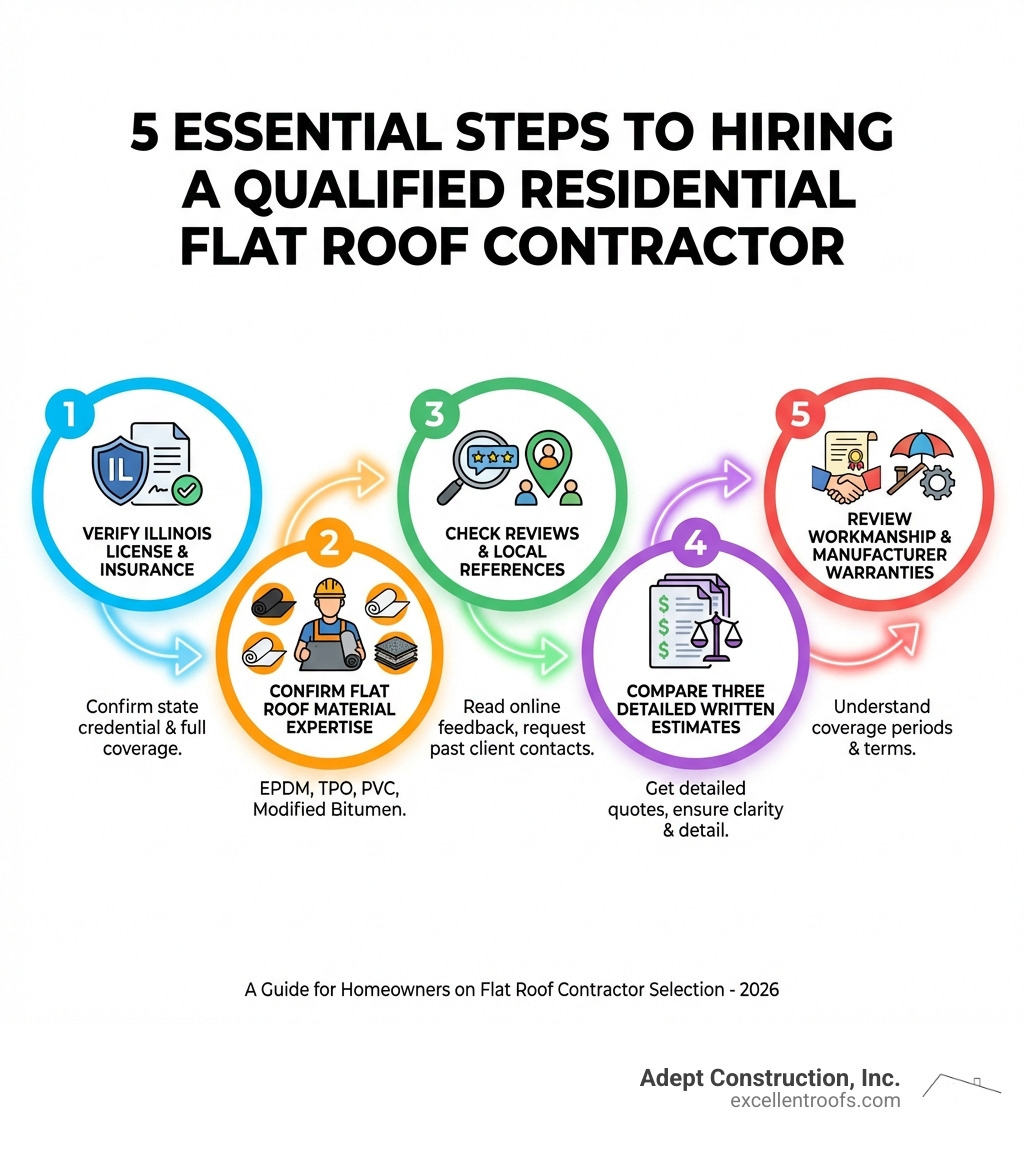
Key Steps to Hire a Qualified Flat Roof Contractor:
- Verify credentials – Confirm Illinois roofing license and full insurance coverage
- Check experience – Ensure they specialize in your specific flat roof material (EPDM, TPO, PVC, or Modified Bitumen)
- Review reputation – Read online reviews and request local references
- Compare quotes – Get at least three detailed, written estimates
- Understand warranties – Confirm both workmanship (2-10 years) and manufacturer coverage
- Prioritize local – Choose contractors familiar with Illinois climate challenges
Finding a trustworthy contractor is essential for protecting your home, and for homeowners with flat or low-slope roofs, this requires a specialist. The team at Adept Construction has seen how a quality installation can provide decades of security, while a poor one leads to constant headaches. Flat roofs face unique challenges—ponding water, membrane damage, and the stress of Illinois freeze-thaw cycles—that demand specialized expertise.
The stakes are high. A subpar installation can result in persistent leaks, water damage to your home’s interior, and costly emergency repairs. Conversely, a properly installed flat roof by a qualified professional can last 20 to 30 years with minimal issues.
This guide provides the essential information you need to understand your flat roof, identify problems, and hire the best professionals for the job. You’ll learn which materials perform best in our climate, what warning signs demand immediate attention, and exactly what questions to ask before signing a contract.
I’m Gerald Michaels, founder of Adept Construction, Inc., and since 1997, I’ve specialized in both residential and commercial roofing across Chicago’s western suburbs, building lasting relationships with homeowners who trust us to protect their most valuable investment. My team and I have worked extensively with residential flat roof contractors throughout the region, and we understand what separates exceptional work from costly mistakes.
Must-know residential flat roof contractors terms:
Understanding Residential Flat Roofs: Materials, Lifespan, and Costs
A residential flat roof is a system, not just a surface. Its performance depends entirely on the quality of materials used and the skill of the installation. Understanding the basics is the first step toward making a smart hiring decision.
Common Flat Roofing Materials for Homes
When we talk about flat roofing, we’re not just talking about a single type of material. Modern flat roofs use a variety of advanced membranes and systems, each with its own benefits and ideal applications. Understanding these options is crucial when discussing your project with residential flat roof contractors.
- EPDM (Ethylene Propylene Diene Monomer) – Rubber Roofing: Often referred to as “rubber roofing,” EPDM is a synthetic rubber membrane widely used for flat and low-slope roofs. It’s incredibly durable, flexible, and resistant to UV radiation and temperature fluctuations, making it a reliable choice for the Illinois climate. EPDM is typically installed as a single ply, either fully adhered, mechanically attached, or ballasted. It’s known for its long lifespan and relatively low cost. For an in-depth look at EPDM, explore Holcim Elevate EPDM systems.
- TPO (Thermoplastic Polyolefin): TPO is a single-ply reflective membrane that has gained immense popularity due to its energy efficiency and durability. Its heat-welded seams create a monolithic, watertight barrier, which is a significant advantage in preventing leaks. TPO comes in various colors, with white being particularly popular for its ability to reflect sunlight and reduce cooling costs, a benefit even in our Illinois summers. It’s a strong contender for those seeking an environmentally friendly option.
- PVC (Polyvinyl Chloride): Similar to TPO, PVC is a thermoplastic membrane recognized for its exceptional strength, flexibility, and resistance to chemicals, punctures, and fire. PVC roofs also feature heat-welded seams, offering superior waterproofing. While often a bit more expensive than EPDM or TPO, its robust performance and longevity can make it a worthwhile investment, especially for roofs that experience heavy foot traffic or require high chemical resistance.
- Modified Bitumen: Modified bitumen is an asphalt-based roofing system reinforced with modifiers to improve its elasticity and flexibility. It’s often installed in layers, either torch-applied (requiring specialized safety precautions) or self-adhered. Modified bitumen offers excellent waterproofing and durability, performing well in various weather conditions. It’s a proven system that provides a robust barrier against the elements.
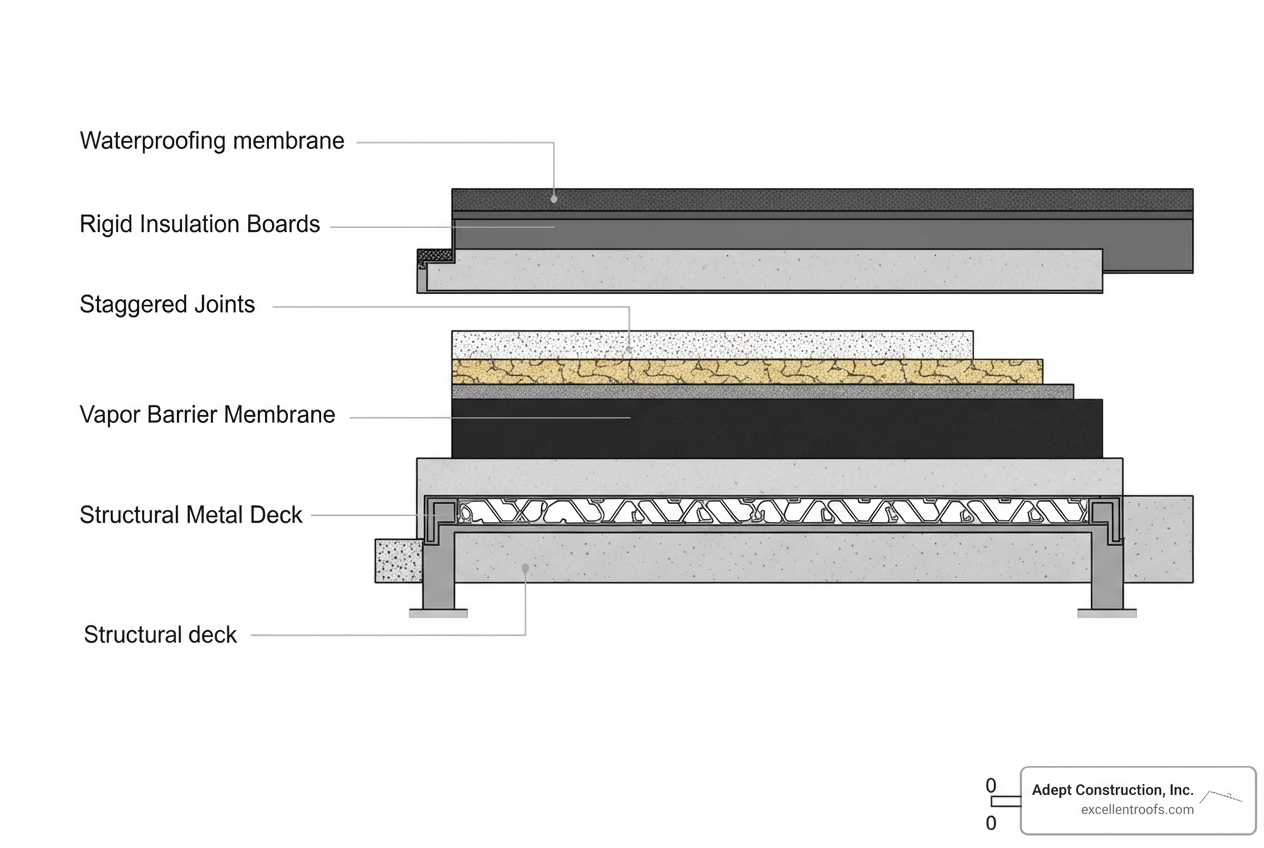
Each material offers a unique balance of durability, energy efficiency, and cost, making the choice dependent on your home’s needs and budget. We can help you steer these options to find the best fit for your home. Learn more about our flat roofing systems.
Lifespan and Cost Expectations for Your Flat Roof
The lifespan of a flat roof system is typically 15 to 30 years, but this is heavily influenced by material quality, installation, and maintenance. We’ve seen how a meticulous installation and consistent care can push a roof’s longevity far beyond average expectations, even with the demanding weather we experience in Downers Grove and Naperville.
Here’s a general overview of average lifespans for residential flat roofing materials:
- EPDM: 25-30 years
- TPO: 20-30 years
- PVC: 25+ years
- Modified Bitumen: 15-25 years
These are averages. The actual life of your roof can be significantly extended with proper maintenance and by addressing minor issues promptly.
Costs, naturally, vary. There’s no one-size-fits-all answer, as pricing depends on several key factors:
- Roof Size and Complexity: Larger roofs or those with many penetrations (skylights, vents, HVAC units) will incur higher costs.
- Material Choice: As mentioned, PVC tends to be on the higher end, while EPDM can be more budget-friendly.
- Existing Roof Condition: If a full tear-off of the old roof is required (which is often recommended for best results), this adds to labor and disposal costs. Some repairs might be temporary, like industrial tarping ($120-$879), while permanent fixes can range from replacing damaged decking ($325-$1,226).
- Insulation Needs: Enhancing insulation can improve energy efficiency but adds to the upfront cost.
- Labor and Installation Method: Specialized installation techniques, like heat-welded seams for TPO/PVC, require skilled labor.
For a detailed look at replacement factors and how they impact your budget, see our guide on how to replace a flat roof in Naperville, IL. We believe in transparent pricing and will provide a detailed estimate that breaks down all these factors.
When to Call a Contractor: Signs of Trouble and Maintenance Tips
Early detection of flat roof issues can save you from costly interior water damage and complex structural repairs. Knowing what to look for is critical for any homeowner with a flat or low-slope roof. Ignoring small problems can quickly escalate into major headaches, especially with Illinois’ unpredictable weather patterns.
Red Flags: Warning Signs Your Flat Roof Needs Repair
Your flat roof is constantly exposed to the elements, and over time, even the most durable materials will show signs of wear. Here are the key indicators that it’s time to call in experienced residential flat roof contractors:
- Ponding Water: This is perhaps the most common and concerning sign. If water stands on your flat roof for more than 48 hours after rainfall, it indicates poor drainage and can lead to accelerated membrane deterioration. This standing water creates a constant hydrostatic load on your roof, pushing water into any tiny opening.
- Blistering or Bubbling Membrane: These raised areas on the roof surface are often caused by trapped moisture or air underneath the membrane. They weaken the roof’s integrity and can eventually rupture, leading to leaks.
- Visible Cracks, Tears, or Punctures: Any breach in the roof membrane, whether from falling debris, foot traffic, or extreme weather, creates an immediate pathway for water intrusion. Even small cracks can expand with temperature changes.
- Interior Water Stains on Ceilings or Walls: This is the most undeniable sign of a leak. Water stains often appear far from the actual leak source, making professional detection crucial. Don’t wait until the bucket is overflowing; address these stains immediately.
- Flashing Pulling Away from Walls or Vents: Flashing around chimneys, skylights, vents, and parapet walls is critical for preventing leaks. If it’s loose, cracked, or deteriorated, water will find its way into your home.
- Granules in Gutters (for granular-surfaced modified bitumen): If you have a modified bitumen roof with a granular surface, finding an excessive amount of granules in your gutters indicates the roof is losing its protective top layer, making it more vulnerable to UV damage.
- Vegetation Growth: While charming in a garden, moss or other plant growth on your flat roof signals prolonged moisture retention and can cause membrane damage over time.

If you see these signs, it’s time to seek professional roof repair in Downers Grove or Naperville. Ignoring them will only lead to more extensive and costly repairs down the line. We offer emergency repair services for those unexpected leaks that just can’t wait.
Proactive Flat Roof Maintenance to Maximize Lifespan
Regular maintenance is the most effective way to extend your roof’s life. We can’t stress this enough: a well-maintained flat roof will far outlast one that is neglected. A flat roof should be inspected twice a year, ideally in the spring and fall, to catch minor issues before they become major problems.
Key tasks for effective flat roof maintenance include:
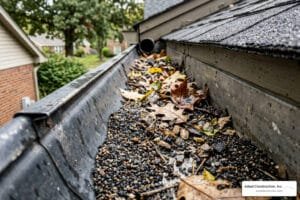
- Clearing All Drains and Scuppers: Debris like leaves, twigs, and dirt can quickly clog drainage systems, leading to ponding water. Regular cleaning ensures water flows freely off the roof.
- Checking Seams for Any Signs of Separation: For EPDM, TPO, and PVC roofs, the integrity of the seams is paramount. Look for any lifting, cracking, or signs of adhesive failure. For modified bitumen, inspect seams for cracks or deterioration.
- Trimming Overhanging Tree Limbs: Branches rubbing against the roof or falling onto it can cause punctures or abrasions to the membrane. Keep trees trimmed back to prevent this damage.
- Inspecting Flashing: Ensure all flashing around roof penetrations is secure and free from cracks or corrosion.
- Looking for Membrane Damage: During inspections, look for any small cracks, punctures, or signs of blistering. These can often be repaired with patching or sealant if caught early.
- Considering a Roof Coating: For some materials, applying a protective coating every 5-10 years can extend the roof’s life by providing an additional layer of UV protection and waterproofing.
Many minor issues, if caught early, can be addressed with simple handyman roofing repair services. Our team can provide routine maintenance checks to keep your flat roof in top condition, helping you avoid costly unexpected repairs.
How to Hire the Best Residential Flat Roof Contractors
Not all roofers are equipped to handle the specific challenges of flat roofing. Hiring a specialist is non-negotiable. The techniques, materials, and potential pitfalls are vastly different from traditional pitched roofs. This section will guide you through the process of finding a true professional among residential flat roof contractors.
Vetting Your Local Residential Flat Roof Contractors: A Checklist
When you’re looking for residential flat roof contractors in Downers Grove or Naperville, thorough vetting is your best defense against costly mistakes. Here’s our checklist to ensure you hire a reputable and skilled company:
- Verify Illinois State Roofing License and Full Insurance Coverage: This is non-negotiable. Illinois requires roofers to obtain comprehensive licensing. Always ask for proof of both liability insurance (to cover property damage) and worker’s compensation (to cover injuries to their crew). We are fully licensed and insured, providing peace of mind for our clients.
- Ask for Proof of Manufacturer Certifications: Reputable contractors are often certified by leading manufacturers like GAF or IKO. These certifications mean they’ve undergone specialized training and meet stringent quality standards for installing specific roofing systems. This often allows them to offer improved manufacturer warranties, which is a huge plus.
- Read Recent Online Reviews and Request Local References: Look beyond just a high star rating. Read the content of reviews on platforms like Google, Yelp, and BBB. Pay attention to comments about communication, professionalism, cleanup, and problem resolution. Don’t hesitate to ask for references from past clients in Naperville or Downers Grove whom you can contact directly.
- Ensure They Have Specific, Proven Experience with Your Type of Flat Roof Material: A contractor who specializes in asphalt shingles might not have the nuanced expertise required for EPDM, TPO, or PVC. Ask for examples of residential flat roof projects they’ve completed using the material you’re considering.
- Get at Least Three Detailed, Itemized Quotes in Writing: Don’t settle for a vague estimate. A professional quote should clearly outline the scope of work, materials to be used (brand, type, thickness), labor costs, disposal fees, warranty details, and payment schedule. Compare these line by line, not just the bottom number.
- Prioritize Local Expertise: Hiring proven local experts in Naperville, IL ensures they understand regional challenges. They know which materials perform best under our specific weather conditions and are familiar with local building codes and permit requirements.
We pride ourselves on meeting and exceeding these standards, ensuring our clients receive the highest quality service and workmanship.
Understanding Warranties and Guarantees
When investing in a new flat roof or a significant repair, understanding the warranties involved is crucial. This is where the difference between a good contractor and a great one often becomes clear. We believe in providing comprehensive coverage for your peace of mind.
There are generally two types of warranties you’ll encounter:
- Workmanship Warranty: This warranty is provided by the residential flat roof contractors themselves and covers any issues arising from installation errors. The duration can vary significantly, typically ranging from 2 to 10 years. A longer workmanship warranty indicates a contractor’s confidence in their team’s skill and attention to detail. We stand by our work, offering robust workmanship warranties that reflect our commitment to quality.
- Manufacturer Material Warranty: This warranty comes from the manufacturer of the roofing material (e.g., EPDM, TPO, PVC) and covers defects in the product itself. These can last anywhere from 15 to 30 years or even longer, depending on the material and system. It’s essential that your contractor uses materials from reputable manufacturers and installs them according to the manufacturer’s specifications to keep this warranty valid.
Improved Manufacturer Warranties: Some residential flat roof contractors are certified by manufacturers to offer extended or “system” warranties. These advanced warranties often cover both the material and the contractor’s labor for a longer period (e.g., 20 years). This is a significant advantage because it means if there’s a problem, regardless of whether it’s a material defect or an installation issue, a single entity (the manufacturer) is responsible for resolving it. Always ask if your chosen contractor can offer these improved warranties.
We make sure our clients understand every aspect of their warranty, so there are no surprises down the road.
The Advantage of Hiring Local Residential Flat Roof Contractors
Choosing local residential flat roof contractors for your home in Naperville or Downers Grove offers distinct advantages that national chains or storm chasers simply can’t match. We’re not just working in the community; we’re part of it.
- Understanding of Regional Climate Challenges: The Illinois climate is unique, with its harsh winters, heavy snow loads, and intense freeze-thaw cycles. Local contractors have an invaluable understanding of how these conditions affect flat roofing materials and installation techniques. We know what works and what doesn’t in our specific environment, ensuring your roof is built to withstand local weather patterns.
- Familiarity with Municipal Building Codes and Permit Processes: Building codes can vary from town to town. Local contractors are well-versed in the specific regulations, zoning laws, and permit requirements for Downers Grove, Naperville, and surrounding areas. This ensures your project is compliant from the start, avoiding costly delays or rework.
- Reputation to Uphold: A local company has a reputation to uphold within the Downers Grove, IL, community and Naperville, IL, making them more accountable for their work. Our business thrives on local referrals and positive word-of-mouth, which motivates us to deliver exceptional service and stand behind every job. We live and work here, just like you.
- Easier Access for Follow-Up and Warranty Issues: If you ever need follow-up service or have a warranty claim, a local contractor is much easier to reach and quicker to respond. You won’t be dealing with a call center in another state; you’ll be communicating with the team who installed your roof.
- Support Local Economy: By choosing a local business, you’re investing directly back into your community, supporting local jobs and the economy.
For these reasons, we always recommend partnering with local residential flat roof contractors who are deeply invested in the communities they serve.
Frequently Asked Questions about Residential Flat Roofs
Navigating flat roofing can bring up many questions. We’ve compiled some of the most common inquiries we receive from homeowners in Downers Grove and Naperville to help you make informed decisions.
What are the advantages of a residential flat roof?
Residential flat roofs offer several compelling advantages that make them a popular choice for certain architectural styles and homeowner needs:
- Usable Outdoor Space: This is perhaps the most significant benefit. Flat roofs can be converted into functional outdoor living areas such as rooftop decks, gardens, or patios. This adds valuable recreational space, especially in urban or suburban settings where yard space might be limited. We’ve even seen homeowners use them for solar panel installations, boosting energy efficiency.
- Clean and Modern Aesthetic: Flat roofs contribute to a sleek, contemporary architectural look that many homeowners find appealing. They can create clean lines and a minimalist profile for your home.
- Lower Initial Installation Cost (in some cases): Compared to complex pitched roofs with intricate designs and multiple valleys, a simple flat roof can sometimes have a lower upfront installation cost due to less material usage and simpler structural requirements.
- Easier Access for Maintenance and HVAC Units: The relatively level surface makes it safer and easier for technicians to access and maintain rooftop HVAC units, vents, or other equipment. It also simplifies roof inspections and minor repairs.
- Energy Efficiency Potential: With the right reflective materials (like white TPO or PVC) and proper insulation, flat roofs can contribute significantly to a home’s energy efficiency by reducing heat absorption during warm Illinois summers.
How does the Illinois climate affect my flat roof?
The Illinois climate presents significant and unique challenges for flat roofs that demand careful consideration from residential flat roof contractors:
- Heavy Snow Loads: Our winters can bring substantial snowfall, placing immense weight on flat roofs. This requires robust structural support and a membrane that can withstand prolonged exposure to snow and ice without cracking or deforming.
- Freeze-Thaw Cycles: This is a major culprit for flat roof deterioration. Water can seep into tiny cracks or imperfections, freeze, expand, and then thaw. This repeated expansion and contraction can stress seams, flashing, and the membrane itself, leading to breaches and leaks over time. Proper installation techniques and flexible materials are key to mitigating this.
- Temperature Extremes: Illinois experiences a wide range of temperatures, from freezing winters to hot, humid summers. Roofing materials must be able to expand and contract without compromising their integrity.
- Ponding Water: While not exclusive to Illinois, the heavy precipitation (rain and snowmelt) can exacerbate ponding issues if the roof does not have adequate drainage. Ponding water accelerates material degradation and increases the risk of leaks.
- Ice Dams: Although more common on pitched roofs, poor insulation or ventilation around parapet walls on flat roofs can contribute to ice dam formation, which can force water under the membrane.
To combat these challenges, proper drainage, durable materials like EPDM or TPO, and professional installation by experienced residential flat roof contractors are absolutely essential to prevent leaks, ice dams, and premature roof failure. We design our flat roofing systems to specifically address these local climatic demands.
How long does a residential flat roof last?
A professionally installed residential flat roof can last from 15 to over 30 years. The exact lifespan depends on several critical factors:
- Material Used: As discussed earlier, different materials have different inherent lifespans. PVC and EPDM are often known for their longevity, with many systems lasting 25-30 years or more. Modified bitumen typically falls in the 15-25 year range, while TPO is usually 20-30 years.
- Quality of Installation: This is arguably the most crucial factor. Even the best materials will fail prematurely if not installed correctly. Proper substrate preparation, meticulous seam welding or adhesion, and correct flashing installation are vital. This is why choosing skilled residential flat roof contractors is paramount.
- Local Climate: While we build our roofs to withstand Illinois weather, extreme conditions (prolonged heavy snow, severe hailstorms, intense UV exposure) can reduce a roof’s overall lifespan.
- Consistency of Routine Maintenance: Regular inspections and prompt attention to minor issues (clearing drains, repairing small punctures) can significantly extend the life of your flat roof. Neglecting maintenance is a surefire way to shorten its lifespan.
- Foot Traffic and Usage: If your flat roof is used as a deck or frequently accessed for maintenance, more durable materials and protective layers might be needed to withstand wear and tear.
With quality materials, expert installation, and diligent maintenance, your residential flat roof can provide decades of reliable protection for your home.
Conclusion: Partnering with the Right Roofer for Peace of Mind
Choosing the right contractor is the single most important factor in the long-term performance of your flat roof. By understanding the materials, knowing the warning signs of failure, and thoroughly vetting local specialists, you can protect your investment and ensure your home stays safe and dry. A quality installation provides not just a roof, but decades of peace of mind. As a family-owned company serving the Chicagoland area, Adept Construction, Inc. is committed to providing superior workmanship and transparent service. We understand the unique demands of flat roofing in Downers Grove and Naperville, and our experienced team is ready to deliver lasting solutions.
If you’re ready for a hassle-free experience, contact us today for a free estimate on our expert residential roofing services.