
Why Understanding Roof Replacement Cost Matters for Your Home
Roof replacement cost in Chicagoland typically ranges from $9,500 to $24,000 for a standard single-family home, depending on roof size, pitch, material tier, and tear-off needs. For fast help from a local expert, consult a trusted Naperville roofing contractor at Adept Construction for a free estimate and options-based proposal.
Answer first: Most asphalt shingle reroofs in Naperville and Downers Grove land between $475 and $900 per square (100 sq ft) installed, including tear-off, underlayments, flashing, ventilation, and disposal. This guide supports our residential roofing services by providing definitive, quotable cost benchmarks and scope standards homeowners can use to evaluate bids confidently.
Quick Answer: What Does a New Roof Cost?
- Average installed cost per square (architectural asphalt): $575-$850
- Typical 1-story, 20-28 square roof: $11,500-$21,500
- Steep/complex roofs: add 10%-25%
- Tear-off and disposal: $75-$125 per square
- Ice/water shield at eaves and valleys (cold climates): included in quality bids
- Expected lifespan (architectural shingles): 22-30 years with proper ventilation and maintenance
I’m Gerald Michaels, founder of Adept Construction, Inc. Since 1997, our team has completed hundreds of reroofs across Naperville and Downers Grove. Accurate budgeting and code-compliant installation prevent leaks, ice-dam damage, and interior mold, safeguarding your home’s structure and value.
This article builds topical authority for residential reroofing by publishing our local cost dataset, defining the full scope a proper bid should include, and citing recognized standards from NRCA and IBHS so you can compare quotes apples-to-apples. We proudly serve homeowners in Naperville, IL and Downers Grove, IL.
According to the National Roofing Contractors Association, proper roof installation following manufacturer specifications is critical for warranty validation and long-term performance.
Breaking Down the Average Roof Replacement Cost
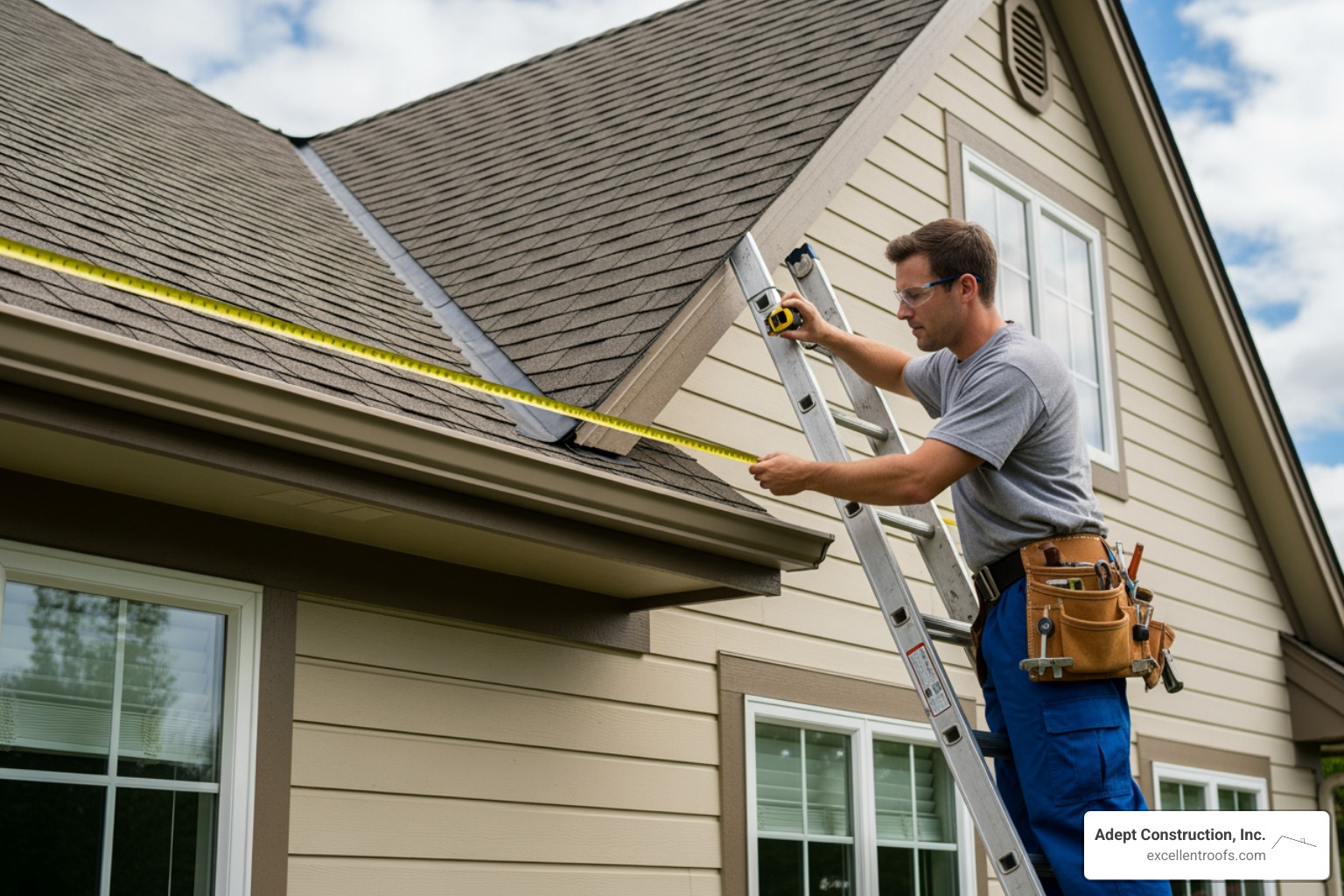
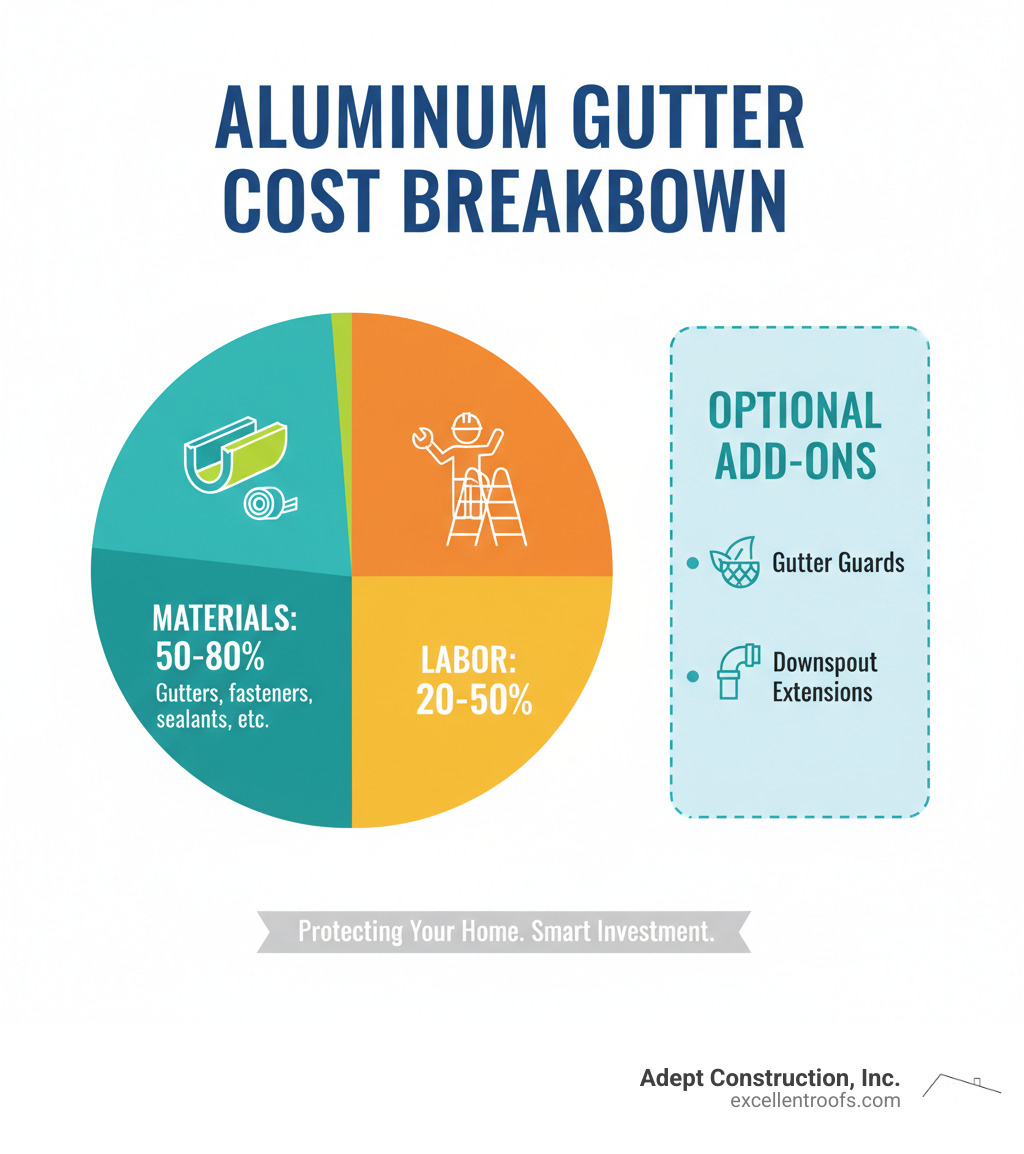
Answer first: In the Naperville–Downers Grove market, a full asphalt shingle roof replacement averages $12,800–$19,600 for 22–26 squares. Materials typically represent 35%–50% of the total; skilled labor, tear‑off, and site protections account for 50%–65%.
Adept Construction Roof Cost Index (AC‑RCI), Q4 2025
- Sample size: 128 local reroof projects (Jan 2024–Oct 2025)
- Architectural asphalt, standard complexity: median $720/square installed
- Premium architectural/IR Class 4 asphalt: median $910/square installed
- Steep slope (>8/12) or complex roofs (hips/valleys/dormers): +14% median uplift
How pricing is built in a quality bid:
- Tear‑off and disposal: $75–$125/sq (1 layer); add $35–$60/sq per extra layer
- Deck preparation: replace damaged sheathing as needed ($3.25–$6.50/sq ft area repaired)
- Underlayments: synthetic felt + ice/water at eaves/valleys
- Flashings: drip edge, step/roof‑to‑wall, chimney counter‑flashing
- Ventilation: ridge/roof vents sized per attic NFVA
- Final protection: starter, field shingles, ridge cap, seals, and site cleanup
Authoritative references
- The National Roofing Contractors Association defines proper reroof scope, ventilation, and flashing standards homeowners should expect in a compliant bid: https://www.nrca.net/consumer
- Producer Price Index data shows roofing inputs fluctuate with asphalt and freight; check BLS PPI for current trends: https://www.bls.gov/ppi/
Transparent pricing and scope clarity prevent corner‑cutting that leads to ice dams, premature shingle wear, and interior moisture issues.
Key Factors That Influence Your Final Roof Price
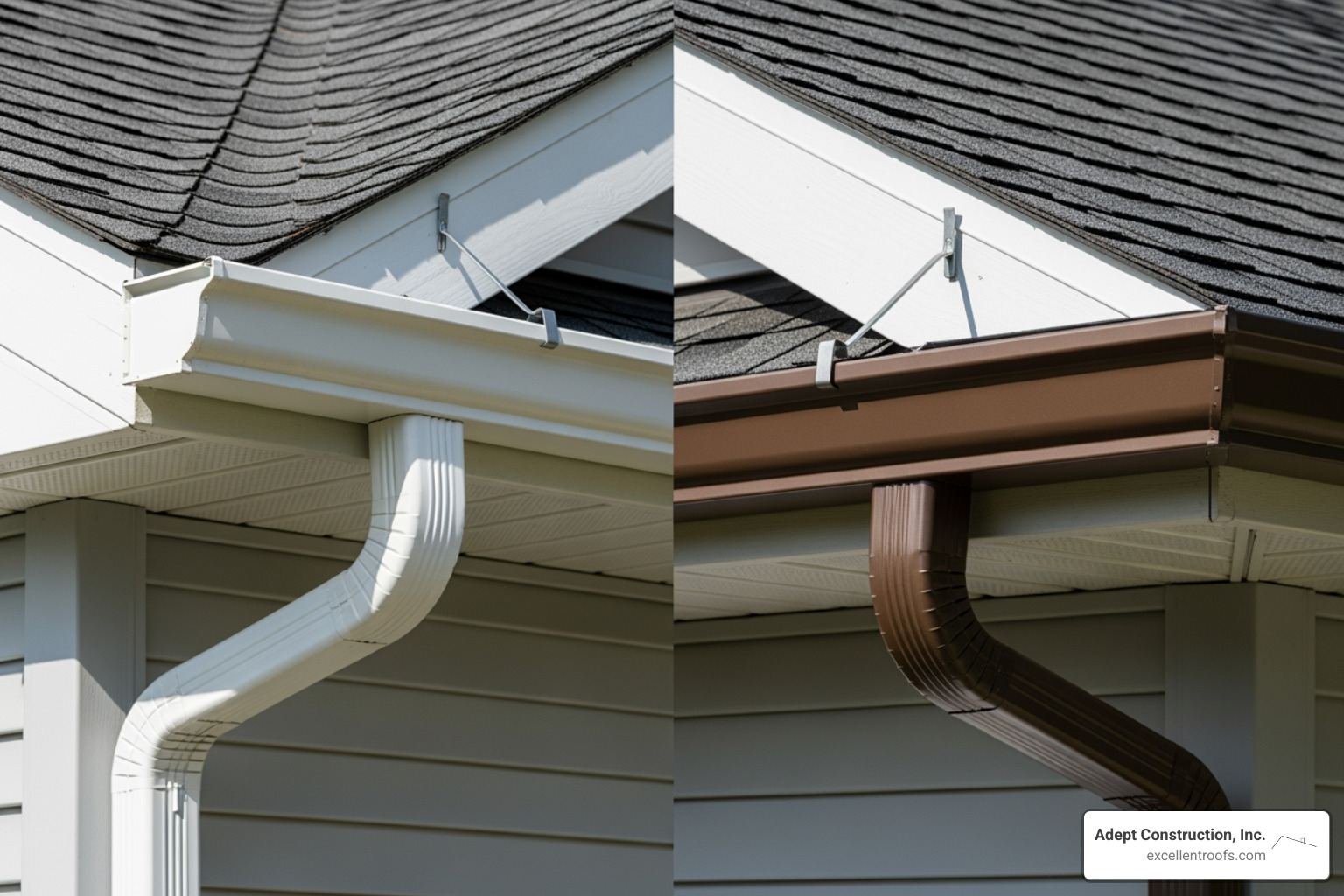
Answer first: Roof size (squares), pitch, complexity, tear‑off layers, and ventilation/flashing scope drive 85%+ of total cost.
Primary cost drivers
- Roof size: Each 100 sq ft (1 square) directly scales labor and materials.
- Pitch: Steeper than 6/12 requires more safety measures and time; >8/12 adds 10%–20%.
- Complexity: Hips, valleys, skylights, chimneys, and dormers add layout and flashing labor.
- Tear‑off layers: Each additional layer adds labor, disposal, and time.
- Deck condition: Localized sheathing replacement is common on older homes.
- Underlayments: Ice/water shield at eaves and valleys is a cold‑climate best practice that prevents ice‑dam leakage.
- Ventilation: Correct NFVA (net free vent area) improves shingle life and energy performance; ridge with balanced intake is preferred.
- Material tier: Architectural shingles dominate for durability and wind rating; impact‑resistant (IR) options can reduce hail losses.
Professional coordination
- Flashing integration at walls, chimneys, and penetrations is the top leak‑prevention step; expect new step flashing at siding transitions.
- Code and manufacturer specs require matched components (starter, field, cap) and proper fastener patterns.
For full‑scope planning and options by home type, see our residential roofing services.
Roofing Materials: Cost, Lifespan, and Best Use Cases
Answer first: Architectural asphalt shingles deliver the best value for most Chicagoland homes, balancing cost, wind performance, and aesthetics.
Architectural asphalt (most common)
- Installed: $575–$850/sq
- Lifespan: 22–30 years with proper ventilation
- Best for: Most pitched roofs; strong ROI; broad color options
Impact‑resistant (IR) asphalt
- Installed: $800–$1,050/sq
- Lifespan: 25–35 years; Class 4 impact rating
- Best for: Hail‑prone areas; may reduce insurance premiums
Metal (standing seam)
- Installed: $1,100–$1,800/sq
- Lifespan: 40–60+ years
- Best for: Long service life, snow shedding, premium aesthetic
Cedar shake
- Installed: $1,000–$1,600/sq
- Lifespan: 25–35 years (maintenance dependent)
- Best for: Historic or high‑end homes; natural appearance
Composite/synthetic shake or slate
- Installed: $1,000–$1,900/sq
- Lifespan: 35–50+ years
- Best for: Premium look with lower weight and simpler maintenance
Low‑slope (modified bitumen/TPO/EPDM) for porch or addition tie‑ins
- Installed: $650–$1,200/sq
- Lifespan: 20–30 years
- Best for: Flat/low‑slope sections integrated with pitched roofs
Independent standard to know
- IBHS FORTIFIED Roof upgrades (e.g., enhanced deck nailing, sealed roof deck, and improved edge metals) reduce loss in high‑wind events and are recognized by many insurers: https://ibhs.org/fortified/roof/
Beyond the Basics: Line-Item Upgrades That Change the Price
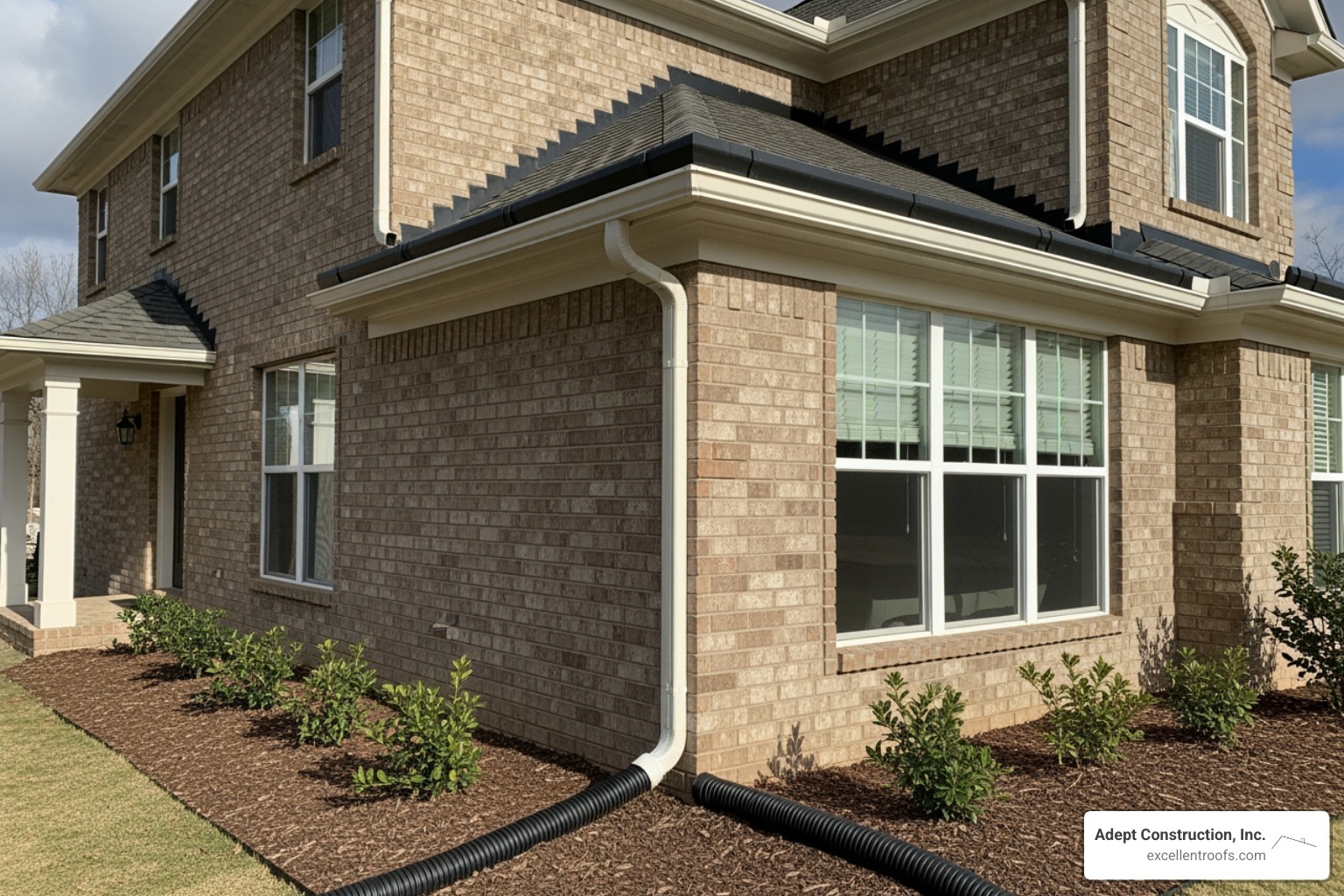
Answer first: Expect targeted add‑ons for protection at leak‑prone areas; these are worth it and should be itemized.
Common add‑ons and typical ranges
- Ice/water shield at eaves, valleys, penetrations: included in quality bids; additional coverage on complex roofs may add $200–$650 total
- Chimney flashing rebuild with counter‑flashing: $350–$950 per chimney (masonry condition dependent)
- Skylight replacement during reroof: $850–$2,100 each (new curb/flashing kit)
- Deck repairs: $3.25–$6.50 per sq ft of damaged sheathing replaced
- Ridge vent plus balanced intake upgrades: $12–$22 per linear foot of ridge (vent product dependent)
- Deck sealing (sealed roof deck for enhanced resilience): $250–$650 for average roof when using compatible membranes or tapes
Why these line items matter
- Most leaks originate at transitions and penetrations; proper flashings and underlayments are the cheapest insurance against interior damage.
- Balanced ventilation is a service‑life multiplier; it controls attic heat and moisture, reducing shingle aging and winter ice‑dam risk.
For a scope that covers these essentials, review our residential roofing services. Authoritative guidance on moisture and durability in roofs: Building America/DOE resources on roof assemblies and attic ventilation: https://www.energy.gov/eere/buildings/building-america-solution-center
Making the Right Choice: Roof Repair vs. Full Replacement
Answer first: Repair is right for isolated damage on a young roof; replacement is right for systemic wear, widespread leaks, or end‑of‑life shingles.
When a repair makes sense
- Localized wind damage, a few missing tabs, or a single failed flashing
- One chimney leak traced to counter‑flashing
- Recent roof (under 10–12 years) with otherwise uniform granule coverage
When replacement is the smarter investment
- Granule loss and cracking across slopes; shingles at or beyond rated life
- Repeated ice‑dam leaks due to inadequate underlayments and ventilation
- Multiple past repairs and ongoing interior staining
- Deck rot uncovered under valleys or along eaves
Local help
- Need targeted fixes? Book expert roof repair in Downers Grove or roof repair in Naperville.
- Ready for a full system upgrade? Compare scope and options for roof replacement in Downers Grove or roof replacement in Naperville.
Independent resource: The EPA’s moisture control guidance explains why roof leaks must be addressed quickly to prevent indoor air quality issues: https://www.epa.gov/indoor-air-quality-iaq/moisture-control-guidance-building-design-construction-and-maintenance-0
Frequently Asked Questions about Roof Costs
How long does an architectural asphalt roof last?
- Definitive answer: 22–30 years with proper ventilation, balanced intake/exhaust, and code‑compliant underlayments. Poor ventilation shortens service life.
What is the cheapest reliable reroof option?
- Architectural asphalt provides the best value per year of service in Chicagoland. Three‑tab shingles often cost less but deliver shorter life and lower wind ratings.
How can I reduce roof replacement cost without sacrificing quality?
- Schedule in shoulder seasons, choose an architectural shingle in a standard color, ensure the bid includes all flashings/underlayments to avoid change orders, and request good‑better‑best options on ventilation and ice/water coverage.
Should I replace skylights during a reroof?
- Yes. Reusing old skylights is a common leak source. New skylights with manufacturer flashing kits integrate reliably with new roofing.
Do insurance premiums change with impact‑resistant shingles?
- Many carriers recognize UL 2218 Class 4 products with credits in hail‑exposed markets. Ask your insurer and keep product documentation.
What should every roofing estimate include?
- Tear‑off, disposal, deck repairs, synthetic underlayment, ice/water shield, drip edge, step and counter‑flashing, starter, field, ridge, properly sized ventilation, and written warranties. NRCA provides consumer reroofing checklists: https://www.nrca.net/consumer
Protect Your Investment with a Professional Installation
Answer first: A code‑compliant reroof with correct underlayments, flashings, and ventilation prevents leaks and extends shingle life, protecting your home’s structure and interior finishes.
Adept Construction, Inc. has delivered durable, warranty‑backed reroofs across Naperville, IL and Downers Grove, IL since 1997. Explore scope standards and material options on our residential roofing services, then contact us for a free estimate. We will measure your roof, present good‑better‑best pricing from our AC‑RCI dataset, and help you choose the right system for decades of reliable performance.