
What You Need to Know About Modified Bitumen Leak Repair (Before It Gets Worse)
Modified bitumen leak repair is the process of locating and sealing failures in a rubberized asphalt membrane roof — and acting fast is the single most important thing you can do to protect your building.
Here’s how to repair a modified bitumen roof leak:
- Locate the leak — Inspect seams, flashing, and drains on a dry day
- Clean the damaged area — Remove debris and loose granules at least 6 inches beyond the damage
- Apply asphalt primer — Let it become tacky before patching
- Cut and apply a patch — Extend it at least 6 inches past the damaged area in all directions
- Seal the edges — Use rubberized roofing cement or elastomeric sealant
- Inspect the repair — Check for gaps and add sealant as needed
For trusted roofing solutions in the Chicago suburbs, getting the right repair done right the first time saves thousands in follow-on damage.
Modified bitumen roofs are a go-to choice for flat and low-slope commercial buildings. They’re durable, flexible, and designed to handle tough weather. But they’re not bulletproof.
Seams weaken. UV rays dry out the asphalt. Water pools in low spots. And when even a small failure goes unaddressed, water finds its way in — fast.
The good news? Most leaks can be fixed before they become catastrophic. You just need to know what to look for and how to act.
I’m Gerald Michaels, founder of Adept Construction, Inc., with nearly 30 years of hands-on roofing experience across Chicago’s western suburbs — including countless modified bitumen leak repair projects on both residential and commercial properties. In this guide, I’ll walk you through everything you need to know to identify, repair, and prevent leaks in your modified bitumen roof.

Understanding Modified Bitumen and Why It Leaks
Modified bitumen is essentially an evolution of the traditional built-up roof (BUR). By adding polymers to asphalt, manufacturers created a “rubberized asphalt” that is far more flexible and durable than its predecessors. However, even this advanced material is subject to the laws of physics and the harsh Illinois climate.
There are two primary types of modified bitumen membranes: APP (Atactic Polypropylene) and SBS (Styrene-Butadiene-Styrene). APP is often called “plastic asphalt” because it responds well to heat and is typically torch-applied. SBS is more “rubbery” and flexible, making it excellent for regions like Naperville and Downers Grove where temperature swings are dramatic.
Why Do These Roofs Leak?
The most common reason for a modified bitumen leak repair is the failure of the seams. Because these roofs are installed in rolls, the edges (laps) are the most vulnerable points. Over time, thermal expansion and contraction—the roof growing and shrinking as the temperature changes—puts immense stress on these joints.
UV degradation is another silent killer. The sun’s rays oxidize the asphalt, causing it to become brittle and lose its protective granules. Once the membrane is brittle, it cracks, allowing water to seep into the insulation below. Finally, ponding water (water that sits for more than 48 hours) acts as a magnifying glass for UV rays and puts constant hydrostatic pressure on the seams, eventually forcing its way through.
| Feature | APP (Atactic Polypropylene) | SBS (Styrene-Butadiene-Styrene) |
|---|---|---|
| Modifier | Plastic-based | Rubber-based |
| Flexibility | Good | Excellent (Better for cold climates) |
| Application | Torch-down or Cold Adhesive | Hot Mopped, Torch, or Cold Adhesive |
| Repair Method | Torch or Cold Process (No Hot Asphalt) | Hot Asphalt, Torch, or Cold Process |
| UV Resistance | High | Requires Granules or Coating |
For more technical details on membrane standards, you can refer to the Canadian Roofing Reference Manual.
Identifying Signs of a Membrane Failure
Before you can perform a modified bitumen leak repair, you have to know what you’re looking for. Often, the drip inside your building isn’t directly below the hole on the roof. Water is sneaky; it can travel along a structural beam for twenty feet before finally deciding to fall on your desk.

Visual Red Flags
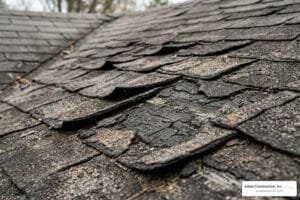
- Alligatoring: This looks exactly like it sounds—the surface of the bitumen cracks into a pattern resembling alligator skin. It’s a sign that the bitumen has oxidized and lost its flexibility.
- Blistering: These are bubbles filled with air or moisture. They occur when moisture is trapped between layers and expands in the heat. Small blisters (under 2 inches) can often be monitored, but large or “spongy” ones need immediate attention.
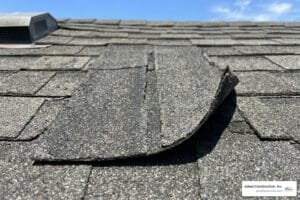
- Seam Delamination: If you see the edges of the rolls lifting or “fishmouthing,” your watertight seal is gone.
- Granule Loss: Finding a pile of mineral granules in your gutters is a sign that your roof’s “sunscreen” is washing away, leaving the membrane vulnerable to UV damage.
- Interior Stains: Brown circles on your ceiling or peeling paint in the corners of walls are classic signs you may have a leak in your roof.
If you are struggling to find the entry point, our roof leak detection complete guide offers advanced tips for tracking down elusive water paths.
Step-by-Step Modified Bitumen Leak Repair Process
When we handle a modified bitumen leak repair in Downers Grove, we follow a rigorous process to ensure the patch lasts as long as the roof itself. If you’re tackling a small roof leak yourself, here is the professional standard for a “three-course” repair.
1. Surface Preparation
You cannot bond new material to dirt. Use a stiff-bristle broom or a vacuum to remove all loose granules, dust, and debris. If the area is greasy (common near kitchen exhausts), use a biodegradable degreaser. The area must be bone-dry before proceeding.
2. Priming
Apply an asphalt primer to the cleaned area. This step is often skipped by DIYers, but it’s vital. The primer “wets” the old surface, creating a chemical bridge for the new adhesive to grab onto. Wait until the primer is tacky (usually 30–60 minutes) before moving to the next step.
3. The Three-Course Patch
This is the “gold standard” for small punctures or seam splits:
- Course 1: Apply a thick layer of modified bitumen roofing cement (mastic) over the leak, extending 6 inches beyond the damage.
- Course 2: Embed a piece of polyester reinforcing fabric into the wet cement. Use a trowel to press it in so there are no wrinkles or air bubbles.
- Course 3: Apply a final layer of roofing cement over the fabric until it is completely covered.
4. Granule Surfacing (Optional but Recommended)
While the top layer of cement is still wet, sprinkle matching granules over the patch. This protects the repair from UV rays and helps it blend in with the rest of the roof.
Essential Materials for Modified Bitumen Leak Repair
Using the wrong materials is a recipe for a “callback” (or a bucket in your living room). Modified bitumen requires specific products that are chemically compatible with its rubberized makeup.
- Modified Bitumen Adhesive/Cement: Do not use standard “plastic cement” or “black jack.” Look for “rubberized” or “SBS-modified” mastic. These stay flexible when the roof moves.
- Reinforcing Fabric: Polyester fabric is superior to old-school fiberglass mesh because it stretches without tearing.
- Utility Knife and Trowel: For cutting patches and spreading mastic.
- Hand Roller: Essential for “peel-and-stick” repairs to ensure 100% contact with the substrate.
- Safety Gear: Fall protection is a must. Even a flat roof can be dangerous, especially near the edges. Wear gloves to keep the sticky bitumen off your skin—it’s notoriously hard to wash off!
For larger commercial properties, the material requirements can be more complex. We discuss these in detail in our guide to commercial roof leak repair solutions.
Preventative Maintenance to Avoid Future Leaks
The most cost-effective modified bitumen leak repair is the one you never have to do. Because these flat roofing systems are prone to specific issues, a little proactive care goes a long way.
Reflective Coatings
Applying a white elastomeric coating can be a game-changer. These coatings can reflect up to 90% of solar heat, reducing the roof’s surface temperature from 150°F to nearly ambient levels. This stops the “cooking” process that makes bitumen brittle and can cut your cooling costs by 15-30%.
Clear the Drains
In Naperville and Downers Grove, autumn leaves and winter ice can easily clog roof drains. When water ponds, it creates a “bowl” effect that stresses the structure and degrades the membrane. We recommend clearing your drains at least four times a year.
Professional Inspections
A professional eye can spot “fishmouth” seams or thinning granules long before they turn into interior water damage. Our Naperville roof leak repair guide emphasizes that an annual inspection can extend a roof’s life from 15 years to well over 25 years.
Frequently Asked Questions about Modified Bitumen Leak Repair
How long does a modified bitumen leak repair patch typically last?
Answer: Professional patches, when applied correctly using the three-course method, can significantly extend the service life of your roof, often providing 10-year durability and enhanced weather resistance. A well-executed patch should last as long as the surrounding membrane.
Can I use standard plastic cement for modified bitumen leak repair?
Answer: No, standard plastic cement is generally incompatible with modified bitumen. Standard asphalt cements lack the polymers found in modified membranes; they will eventually dry out, shrink, and pull away from the patch. For effective repair, use rubberized cement or specialized modified bitumen adhesive to ensure proper chemical bonding and maintain seam integrity.
When should I call a professional for modified bitumen leak repair?
Answer: It is crucial to call a professional for modified bitumen leak repair when facing structural damage, widespread delamination, or if you need to ensure warranty protection. If the leak is caused by “ponding water,” a simple patch won’t fix the underlying drainage issue. Professionals also mitigate safety risks associated with roof work and have the specialized equipment, like heat welders, for permanent SBS and APP repairs.
Conclusion
A modified bitumen leak repair isn’t just about stopping a drip; it’s about preserving the structural integrity of your property. Whether you are dealing with a minor puncture or a major seam failure, the key is to use compatible materials and act before the Illinois weather turns a small fix into a full replacement.
Adept Construction, Inc. offers family-owned expertise in roofing with a commitment to high-quality workmanship. We’ve been serving the local community for decades, providing comprehensive roofing services that homeowners and business owners trust.
Contact us today for a free estimate on your modified bitumen roof repair needs. Whether you require roof repair in Downers Grove or roof repair in Naperville, our team is ready to provide reliable professional roof repair services to protect your investment for years to come. Don’t let a small leak “bitumen” your bottom dollar—give us a call and let’s get it fixed right.