
Why Finding the Right Roofer Matters More Than Ever
How to find quality roofers near me starts with understanding what separates professionals from scammers and then focusing your search on reputable, local residential roofing specialists. Homeowners who follow a structured screening process are significantly less likely to experience leaks, premature failures, or warranty disputes. If you want a single, vetted starting point, you can begin your search with a trusted residential roofing contractor in the western Chicago suburbs.
Here’s your quick answer:
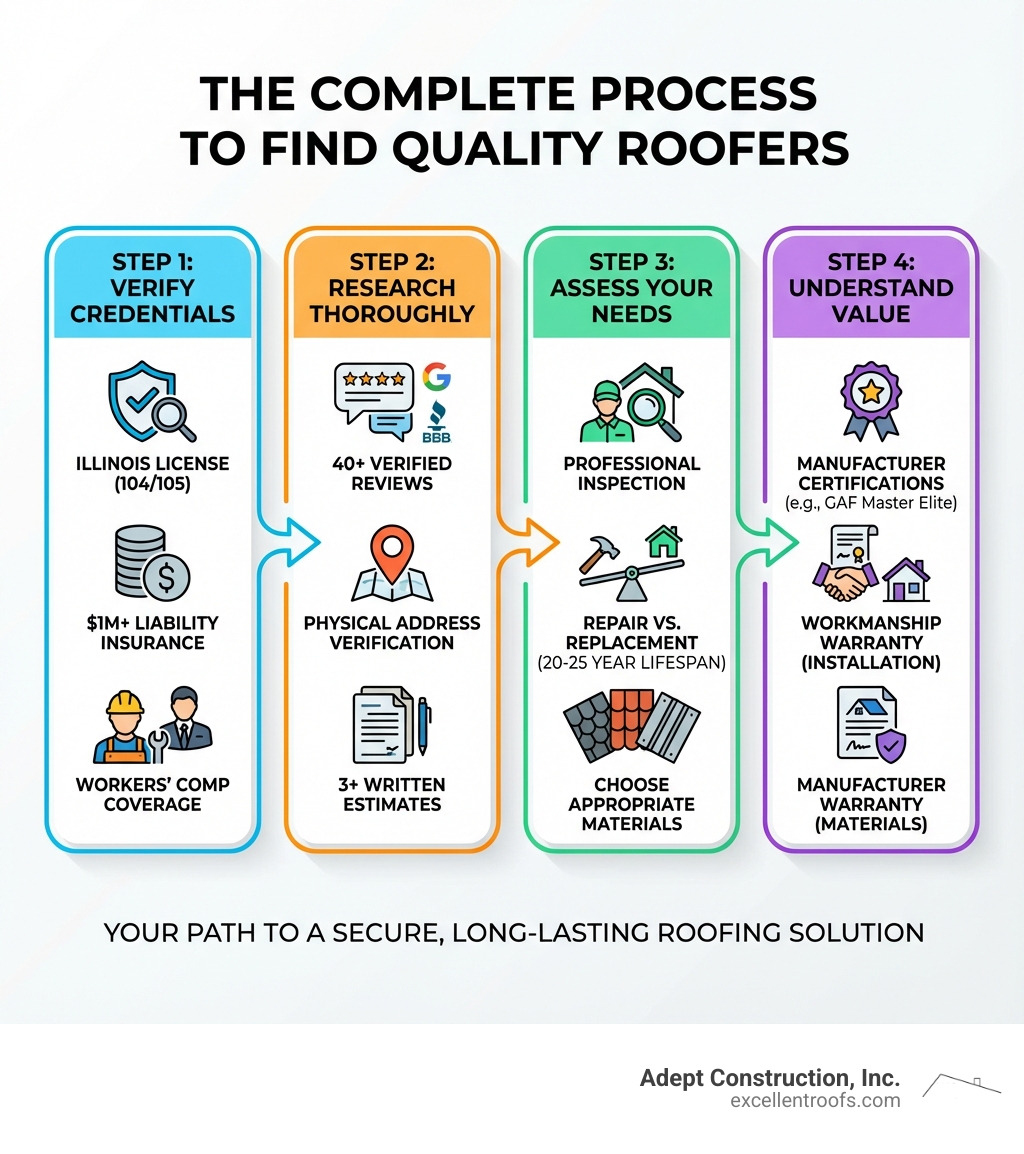
- Verify credentials first – Check for Illinois state licensing (104 or 105 prefix), general liability insurance (minimum $1 million), and workers’ compensation coverage
- Look for local presence – Find roofers with a physical address, at least 40+ verified online reviews, and a strong BBB rating
- Get multiple written estimates – Obtain 3+ detailed quotes that include scope of work, materials, timelines, and payment schedules
- Prioritize certifications – Seek manufacturer-certified contractors like GAF Master Elite (only 2% of roofers qualify) for improved warranties
- Never rush the decision – Avoid storm chasers, high-pressure sales, or anyone demanding large upfront deposits
Your roof protects everything you value most, shielding your family from the elements and preventing costly water damage. However, the roofing industry is prone to fraud, with homeowners losing thousands to unlicensed contractors and storm chasers. A poorly installed roof can lead to leaks and structural damage—a significant risk considering a replacement can cost between $5,890 and $12,800 or more.
The good news is that with a systematic approach, you can confidently identify trustworthy roofing professionals who deliver quality work and stand behind it with solid warranties. I’m Gerald Michaels, founder of Adept Construction, Inc. Since 1997, my team and I have served Chicago’s western suburbs, building a reputation on transparency and superior workmanship.
This guide breaks down the process into four clear steps: verifying credentials, researching estimates, assessing your needs, and understanding long-term value. By the end, you’ll have a proven framework for hiring with confidence in markets like Downers Grove and Naperville.
Remember: Adept Construction offers free estimates with no pressure or obligation. If you’re ready to start your search with a qualified, local expert, contact us today for a free roofing estimate.
Easy how to find quality roofers near me glossary:
Step 1: Verifying Credentials and Reputation
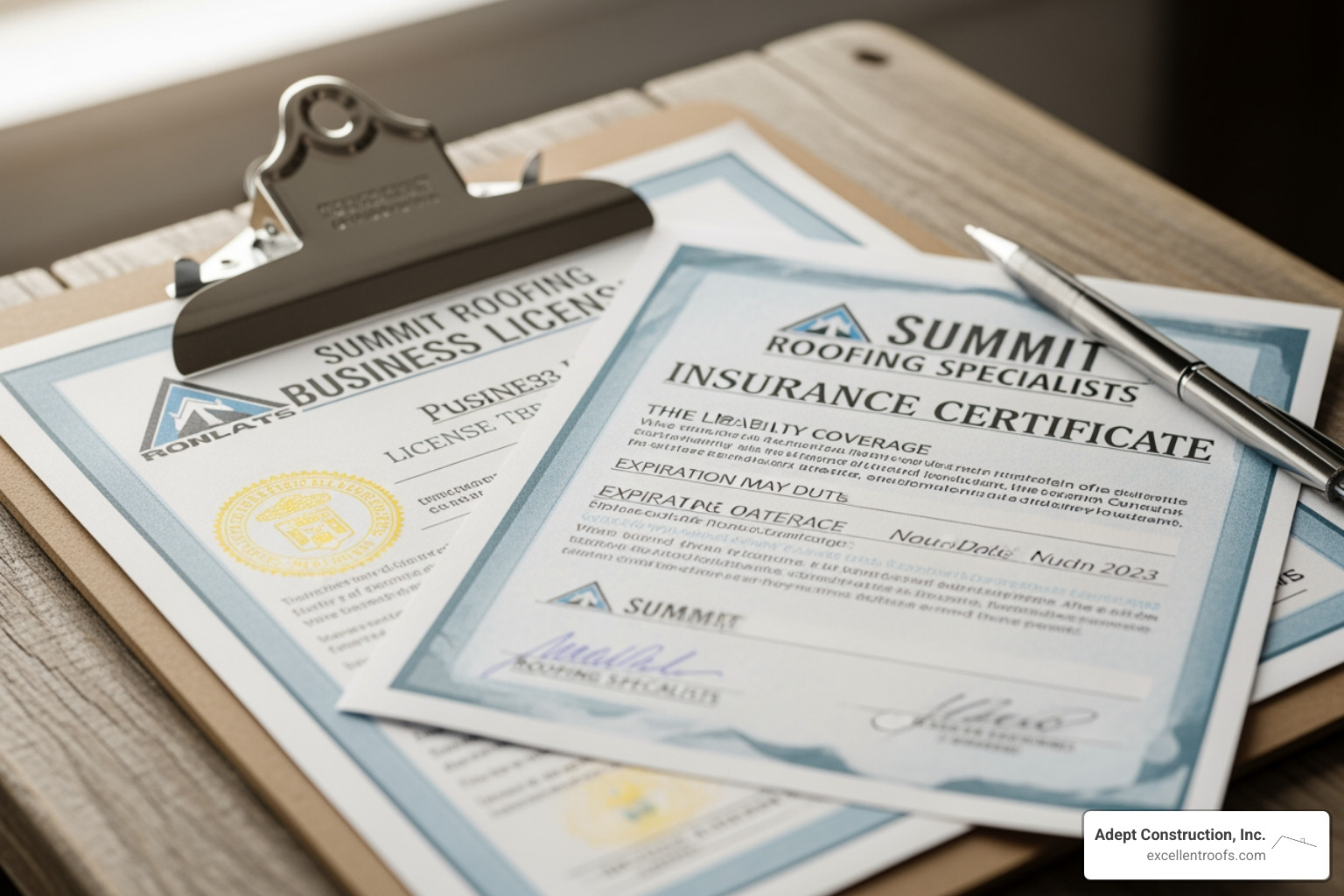
The first step in finding a quality roofer is conducting thorough due diligence. Vetting a contractor’s credentials and reputation is the most effective way to avoid scams and ensure you’re hiring a legitimate professional for your residential roof.
Essential Qualifications: Licensing, Insurance, and Bonding
These are fundamental safeguards for you, your property, and the workers.
- State Licensing: In Illinois, all roofing contractors must be licensed by the Illinois Department of Financial and Professional Regulation (IDFPR). A legitimate license number will start with “104” for residential work or “105” for commercial projects. This proves the contractor meets state requirements. You can verify any license using the IDFPR license lookup tool.
- General Liability Insurance: This protects your property from damage during the project. Reputable contractors carry at least $1 million in coverage. Always ask for a current certificate of insurance sent directly from the insurer.
- Workers’ Compensation Insurance: This is crucial. If a worker is injured on your property, this insurance covers their medical expenses. Without it, you could be held liable.
- Bonding: A bond is a financial guarantee that the contractor will complete the work as specified in the contract. While not always required for residential projects, it offers an extra layer of protection.
These credentials are non-negotiable. For a complete list of vetting steps specific to homeowners, see our Essential Checklist for Choosing the Right Roofing Contractor.
How to Spot a Reputable Roofer vs. a Scammer
Knowing the red flags can save you from financial loss and headaches.
Red Flags (Signs of a Scammer):
- Storm Chasers & Door-Knockers: Be skeptical of anyone who shows up unsolicited after a storm. If you didn’t call them, don’t hire them.
- High-Pressure Sales Tactics: A reputable company will give you time to consider your options, not pressure you to sign on the spot.
- Large Upfront Payments: A reasonable deposit in Illinois is 10-20%. Demands for 50% or more upfront, or cash-only payments, are major red flags.
- Unrealistic Low Prices: A quote that is significantly lower than others often indicates cut corners on materials, labor, or insurance.
- Lack of Professionalism: Unmarked vehicles, generic business cards, or no physical business address are warning signs.
- Vague Agreements: Verbal agreements are worthless. Insist on a detailed, written contract.
Green Flags (Signs of a Reputable Roofer):
- Detailed, written estimates.
- Clear and prompt communication.
- A verifiable local presence and strong reputation.
- Readily provides proof of licensing and insurance.
- A solid track record of recent, positive reviews.
The Importance of Local Presence and Reviews for finding quality roofers near me
Searching for how to find quality roofers near me means prioritizing local reliability.
- Local Accountability: A local company, like Adept Construction in Downers Grove, has a vested interest in maintaining a strong community reputation. We are accessible for follow-ups and warranty claims, unlike storm chasers who disappear after a job.
- Knowledge of Local Codes and Climate: Local roofers understand regional building codes, permit requirements, and weather patterns, ensuring your roof is built to last in the Illinois climate. See our commitment on our Roofing Contractors Downers Grove and Roofing Contractors Naperville location pages.
- Verifying Local Presence: Look for a physical business address (not a P.O. box), team photos, and local project examples on their website.
Checking Reviews and References:
- Quantity and Quality: A legitimate company should have at least 40+ verified reviews on platforms like Google, Yelp, or the Better Business Bureau.
- Look for Patterns: Read reviews for consistent praise or complaints. Check BBB complaint pages for unresolved issues, which can reveal patterns of poor service or communication breakdowns.
- Ask for References: Contact recent customers and ask about their experience with timeliness, cleanup, and overall satisfaction.
Personal testimonials from neighbors often provide the most accurate picture. For more insights on comparing local options, explore our guide on Local Roofing Companies.
If you live in Downers Grove or Naperville and want a vetted local expert to inspect your roof, Adept Construction offers free estimates—contact us to schedule your no-obligation residential roofing assessment today.
Step 2: How to find quality roofers near me through Research and Estimates
Once you have a shortlist of vetted local roofers, the next phase involves in-depth research and direct comparison. This is where you’ll ask critical questions and evaluate estimates to make an informed financial decision about your roofing project.
Asking the Right Questions Before You Hire
A thorough conversation reveals a contractor’s professionalism. Here are essential questions to ask:
- “Are you licensed, bonded, and insured, and can you provide proof?” This is a non-negotiable first question.
- “Will you be using subcontractors?” If so, confirm they are also insured and vetted.
- “What is your project timeline and communication plan?” A clear timeline manages expectations.
- “How will you protect my property and what is your cleanup process?” Ask about protecting landscaping and using magnet sweeps for nails.
- “What safety procedures do you have in place?” A reputable contractor prioritizes safety and follows OSHA roofing safety standards.
- “Which material suppliers do you work with?” This indicates the quality of materials they use, like GAF or Owens Corning.
- “Can you provide references and examples of past projects?”
- “What kind of workmanship warranty do you offer?” This shows confidence in their labor.
- “Will you remove the old roof or roof over it?” A complete tear-off is usually recommended to inspect the underlying structure.
Asking these questions helps gauge a contractor’s expertise and reliability. For more guidance, see our article on How to Find the Right Roofing Contractor.
Getting and Comparing Accurate Roofing Estimates
Avoid the common mistake of simply choosing the lowest bid.
- Get Multiple Quotes: Always obtain at least three detailed, written estimates.
- Itemized Estimates: A good estimate should be itemized, detailing costs for materials, labor, permits, and waste disposal.
- Understanding Costs: Labor typically accounts for about 60% of the total project cost. In Illinois, homeowners spend between $5,890 and $12,800 on average for a roof replacement, while repairs range from $380 to $1,800.
- Compare Apples-to-Apples: Ensure each estimate is for the same scope of work and comparable materials.
- Lowest Bid Risks: The National Roofing Contractors Association (NRCA) advises that if a price seems too good to be true, it probably is. A cheap roof is often the most expensive in the long run. Prioritize quality and peace of mind over small savings.
If you are comparing roof repair versus full replacement in specific suburbs, review our localized guides on roof repair in Downers Grove and roof replacement in Naperville to understand how local permitting, climate, and home styles affect estimates.
Understanding the Written Contract: What Must Be Included
A written contract is your legal protection. Never agree to work based on a verbal promise. Your contract should clearly outline:
- Scope of Work: A detailed description of all work, including tear-off and installation.
- Material List: Specific brands, types, and colors of all materials.
- Start and Completion Dates: A clear project timeline.
- Payment Schedule: A breakdown of payments (e.g., 10-20% deposit, final payment upon completion).
- Warranty Details: Information on both workmanship and manufacturer warranties.
- Lien Waiver: A clause protecting you from claims if the roofer fails to pay suppliers.
- Permit Responsibilities: Who obtains and pays for necessary permits.
- Cleanup Procedures: Confirmation of how debris will be managed.
- Change Order Process: How changes to the scope will be documented and approved.
The National Roofing Contractors Association (NRCA) emphasizes the importance of a detailed contract for a smooth project.
Before you sign, ask your contractor to walk through every line of the agreement and confirm that your free estimate, scope, and warranty terms are accurately captured in writing.
Step 3: Assessing Your Roof’s Needs and Material Options
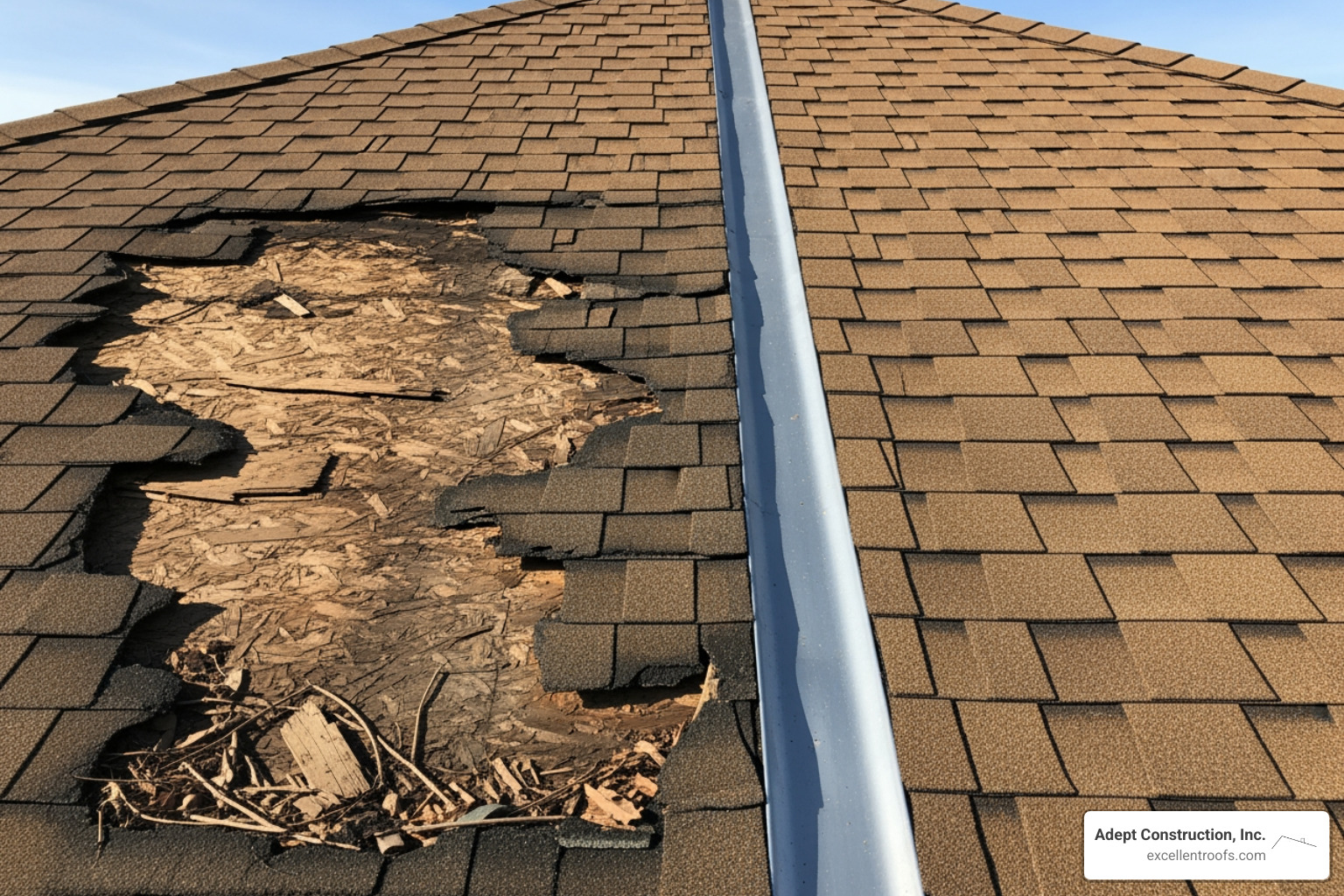
To get an accurate quote, you and your contractor must first understand the project’s scope. This requires a professional inspection to determine if you need a repair or replacement and to select the right materials for your home.
Roof Repair vs. Full Replacement: Making the Right Call
An experienced roofer can help you decide between a repair and a replacement.
Signs You Might Need a Repair:
- Isolated Damage: A few missing or cracked shingles after a storm.
- Minor Leaks: Small, localized water stains.
- Recent Installation: If your roof is less than 10–15 years old, a targeted repair is often sufficient.
- Specific Problem Areas: Damage around vents, skylights, or flashing.
For minor issues, Adept Construction provides expert localized services such as roof repair in Downers Grove and roof repair in Naperville, ensuring your residential roof is restored to proper condition.
Signs You Likely Need a Full Replacement:
- Age of the Roof: An asphalt shingle roof’s lifespan is 20–25 years. If your roof is approaching this age, replacement is often the best long-term solution.
- Widespread Damage: Large areas of missing, buckling, or curling shingles indicate systemic failure.
- Sagging Roof: A sagging roofline is a serious structural issue that requires immediate attention and likely a full replacement.
- Spongy Feel: A soft or spongy feel when walked on suggests water damage to the underlying decking.
- Consistent Leaks: Multiple leaks in different areas are a clear sign the roof system is failing.
If you’re in Downers Grove or Naperville and considering a new roof, our team can help with roof replacement in Downers Grove and roof replacement in Naperville so you get a system designed specifically for your home and local climate.
Identifying Storm Damage and Navigating Insurance Claims
Illinois weather can be harsh. Knowing how to spot storm damage is key.
Signs of Storm Damage:
- Hail Damage: Dents or cracks on shingles, gutters, and siding.
- Wind Damage: Missing, lifted, or creased shingles.
- Water Stains: New water stains on your ceiling or in the attic.
Proceeding with Insurance Claims:
- Document Everything: Take photos and videos of all visible damage immediately after a storm.
- Contact Your Insurer: Notify your insurance company as soon as possible.
- Get a Professional Inspection: Have a reputable local roofer inspect your roof to provide a professional assessment for your claim.
- Work with Your Adjuster: Be present for the adjuster’s inspection, ideally with your contractor.
- Avoid Fraud: Be wary of roofers who offer to waive your deductible, as this is insurance fraud. The National Insurance Crime Bureau warns this is a widespread issue.
For more on protecting your home after severe weather, visit our page on storm damage repair and our article on emergency roofers near me.
Exploring Roofing Materials: Pros, Cons, and Lifespans
Choosing the right material is a blend of aesthetics, budget, and performance.
| Material | Typical Lifespan | Pros | Cons |
|---|---|---|---|
| Asphalt Shingles | 20–25 years | Most affordable, wide variety of colors/styles, easy installation, good fire resistance. | Shorter lifespan, susceptible to wind/hail in extreme weather, can look less premium. |
| Metal Roofing | 50+ years | Extremely durable, energy-efficient, excellent fire resistance, low maintenance, lightweight. | Higher upfront cost, can be noisy during rain/hail, specialized installation. |
| Cedar Shakes | 20–40 years | Natural, rustic aesthetic, good insulation, environmentally friendly. | Requires more maintenance, susceptible to moss/mold, higher fire risk (unless treated), costly. |
| Composite Shingles | 30–50 years | Mimics slate/wood without maintenance, durable, impact-resistant, often made from recycled materials. | Higher cost than asphalt, limited color options compared to asphalt. |
| Slate Roofing | 100+ years | Best durability, beautiful, fireproof, increases home value. | Very expensive, extremely heavy (may need structural reinforcement), brittle, specialized install. |
| Clay/Concrete Tiles | Lifetime | Very durable, good insulation, fire-resistant, distinctive appearance. | Heavy, expensive, can be brittle, not suitable for all roof pitches. |
(Source for lifespans: InterNACHI’s life expectancy chart)
The best material depends on your priorities. We specialize in a variety of different roofing systems and can help you select the ideal material for your home.
Extending Your Roof’s Lifespan:
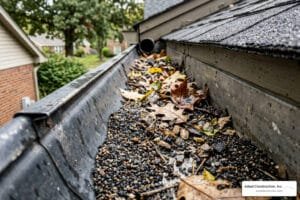
Routine maintenance is the most effective way to maximize your roof’s life. This includes regular inspections, clearing debris and gutters, and trimming overhanging branches. Scheduling a periodic residential roofing inspection, especially after major storms, helps you catch minor issues early and protect your warranty coverage.
Step 4: Understanding Warranties, Certifications, and Long-Term Value
A new roof is a complete system that should come with protections for your peace of mind. Understanding manufacturer certifications and the different types of warranties available is crucial for safeguarding your investment and ensuring the long-term value of your project.
The Power of Manufacturer Certifications
Manufacturer certifications are a strong indicator of a roofer’s commitment to quality and training.
- What They Are: Major manufacturers like GAF offer certification programs to contractors who meet stringent criteria for experience, training, and financial stability.
- GAF Master Elite Contractors: This is a prestigious certification achieved by only 2% of roofing contractors nationwide. To qualify, a contractor must be properly licensed and insured (with at least $1 million in general liability), have a proven reputation, and commit to ongoing professional training. (Note: GAF-certified contractors are independent businesses, not GAF employees.)
- Benefits for Homeowners: Hiring a certified contractor provides key advantages, including access to stronger, extended warranties that cover both materials and workmanship. The certification also acts as a pre-screening, ensuring you’re working with a vetted, highly skilled professional.
Decoding Roofing Warranties: Workmanship vs. Manufacturer
There are two main types of warranties that protect your investment.
Workmanship Warranty (Contractor’s Warranty):
- What it Covers: This warranty comes from your contractor and covers the quality of their installation. If a leak occurs due to an installation error, this warranty should cover the repair.
- What to Look For: Reputable contractors offer a 5- to 10-year workmanship warranty. At Adept Construction, we back our full roof replacements with a 10-year workmanship warranty. A shorter warranty may indicate less confidence in their work.
Manufacturer’s Warranty (Material Warranty):
- What it Covers: This warranty comes from the material manufacturer (e.g., GAF) and covers defects in the materials themselves, such as premature failure.
- What to Look For: Warranties vary in length (e.g., 25 years, 50 years, or “lifetime”). Check if the warranty is prorated (value decreases over time) and if it’s transferable to a new homeowner. Improved warranties from certified contractors often provide superior, non-prorated coverage for longer periods.
- What Voids a Warranty: Improper installation, mixing products from different manufacturers, or neglecting maintenance can void your warranty. Always read the fine print.
A comprehensive roofing project should include robust warranties. Always get copies of both and understand their terms before work begins. An experienced residential roofing contractor will review your warranty coverage with you and include clear documentation as part of the free written estimate and final contract.
Frequently Asked Questions about Finding a Roofer
What is a normal deposit for a roofing job in Illinois?
A reasonable deposit in Illinois is typically 10-20% of the total project cost, often collected upon delivery of materials. Be cautious of any contractor demanding 50% or more upfront before work begins, as this is a significant red flag. This guideline helps protect homeowners from contractors who might take a large sum and then disappear or delay the project indefinitely.
How many estimates should I get for a roof replacement?
It is a best practice to obtain at least three detailed, written estimates from different qualified contractors. This allows you to compare the scope of work, materials, timelines, and pricing to ensure you are getting a fair and competitive offer. Comparing multiple bids helps you identify any outliers and make an informed decision based on value, not just price.
Can a new roof really increase my home’s value?
Yes, a new roof is a powerful investment that can yield a high return. According to the Remodeling Impact report from the National Association of Realtors, home sellers who add new roofing to their homes may recover as much as 107% of its value. This means a new roof not only protects your home but can also be a significant selling point, offering a strong return on investment.
Conclusion
Finding a quality roofer requires a blend of careful research, diligent vetting, and smart decision-making. By verifying credentials, asking the right questions, understanding your project’s needs, and prioritizing long-term value, you can confidently hire a professional who will deliver exceptional results.
As a family-owned company dedicated to superior customer service and high-quality workmanship, Adept Construction, Inc. understands the importance of trust and transparency. We focus exclusively on roofing services, including comprehensive residential roofing solutions tailored to homeowners in Downers Grove and Naperville.
We pride ourselves on our knowledgeable staff and strong local referrals throughout our key service areas, supported by dedicated location pages for Downers Grove roofing services and Naperville roofing services. For a detailed, no-pressure assessment of your roofing needs, contact us for a free estimate and experience the difference of working with a dedicated local residential roofing expert.