
Why Understanding Your Roofing System Matters
Residential roofing systems are one of the highest-value upgrades a homeowner can invest in, influencing curb appeal, structural protection, and long-term operating costs. The most reliable way to evaluate and compare options is to work with an experienced local contractor and use a structured approach to materials, installation quality, and warranty coverage. For homeowners comparing options in Illinois, starting with a trusted provider of residential roofing services in Chicagoland ensures that every material choice is backed by expert design and installation.
Choosing a roof is one of the most significant decisions a homeowner can make, impacting everything from curb appeal and property value to energy bills and structural protection. With a vast array of materials and styles available, understanding your options is the first step toward making a smart, long-term investment in your home. For those seeking top-tier roofing solutions in the Chicagoland area, this guide demystifies residential roofing systems, helping you select the perfect protection for your home.
Your roof is a comprehensive system, and its performance depends on the quality of materials and the expertise of the installation. It represents one of your home’s largest investments, with replacements often costing between $8,000 and $15,000. The right choice depends on your budget, local climate, and aesthetic preferences, directly impacting your home’s energy efficiency, curb appeal, and resale value.
Understanding the Basics: Roof Styles vs. Materials
When we talk about a “roof,” it’s easy to get lost in the terminology. Are we discussing the shape of the roof or what it’s made of? It’s crucial to understand the difference between a roof’s architectural style and the materials it’s constructed from. Think of it this way: the style is the “skeleton” or the fundamental design of your home’s protective cap, while the material is the “skin” – the covering that provides the actual weather protection.
A roof’s style, or its shape, is an integral part of your home’s overall architectural design and structural integrity. It dictates how water sheds, how much attic space you have, and significantly impacts the home’s curb appeal. The material, on the other hand, is the protective layer chosen to cover that structure. It’s what you see most prominently and what directly bears the brunt of the elements. For a comprehensive overview of the different components that make up your roof, you can explore more info about our roofing systems.
Common Architectural Roof Styles
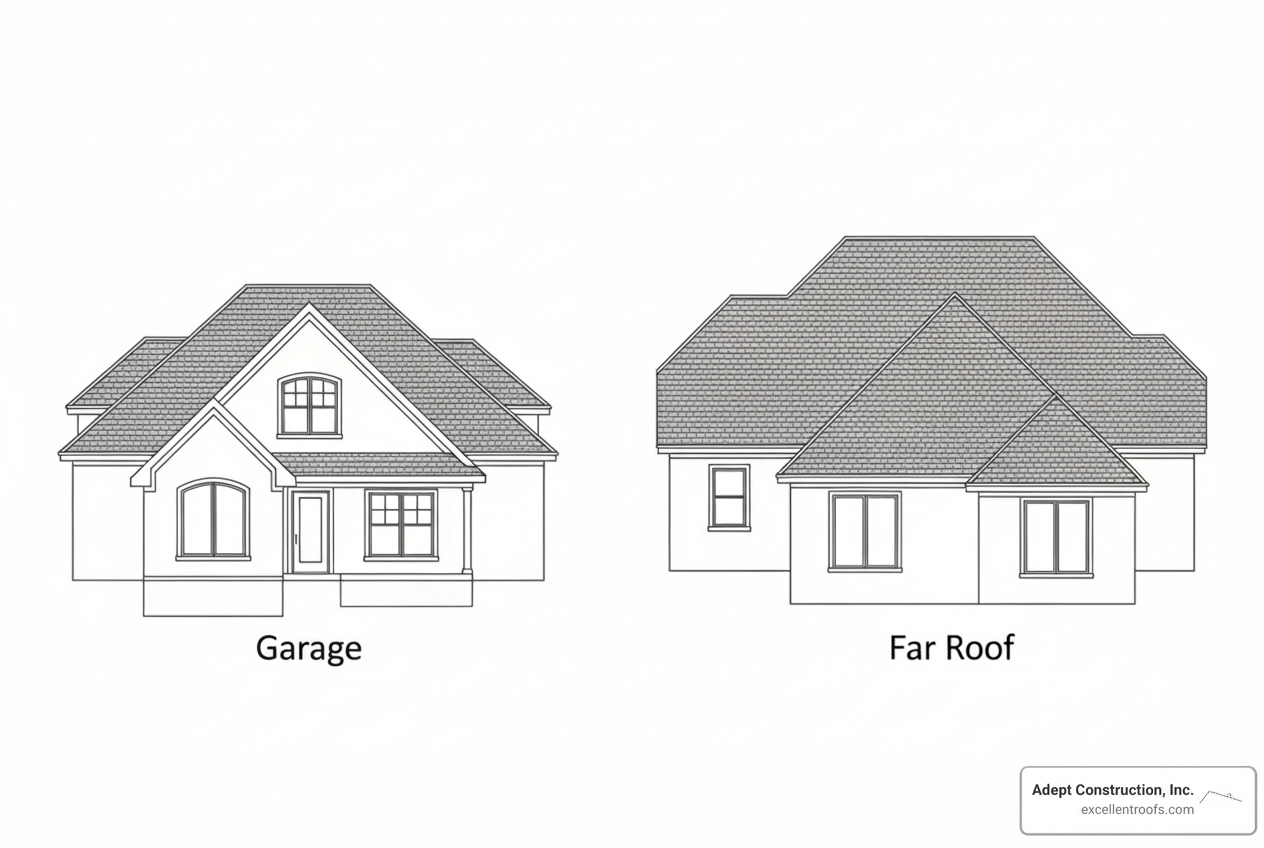
Before we even consider what your roof will be covered with, let’s look at some of the main architectural styles that define its shape and structure:
- Gable Roof: This is perhaps the most common roof style, characterized by two sloping sides that meet at a ridge, forming a triangle. It’s simple, effective at shedding water, and provides ample attic space. Its classic look is a staple in many Downers Grove and Naperville homes.
- Hip Roof: A hip roof has slopes on all four sides, which come together at a ridge. This design is more stable in high winds and offers consistent eaves around the house, providing excellent shade.
- Mansard Roof: Originating in France, the mansard roof has four sides, each with two slopes. The lower slope is steeper than the upper one, often featuring dormer windows. This style creates extra living space or attic room and offers a distinctive, neat look.
- Flat Roof: While not completely flat (they have a slight pitch for drainage), flat roofs are common on modern homes and commercial buildings. They offer usable rooftop space for decks or gardens but require specialized materials and installation to prevent water pooling. If you’re curious about the specifics, you can learn about flat roofing options.
- Roof Pitch: This refers to the slope or angle of your roof. A steeper pitch sheds water more quickly and can accommodate heavier materials like slate, while a low pitch might be better suited for certain membrane or metal systems. The pitch impacts both the structural integrity and the aesthetic of your home.
How Style Influences Material Choice
The architectural style of your roof isn’t just about looks; it has practical implications for the materials you can choose:
- Slope: The degree of your roof’s slope is critical. Steeply pitched roofs (like gables or hips) are excellent at shedding water and snow, making them suitable for a wide range of materials, including shingles, metal, and tiles. Low-slope or flat roofs, however, require materials specifically designed to handle standing water, such as modified bitumen or TPO membranes.
- Weight Load: Different roofing materials have vastly different weights. For instance, slate and tile are significantly heavier than asphalt shingles. Your roof’s structure must be able to support the chosen material’s weight. We always assess your home’s structural capacity to ensure it can safely bear the load of your desired residential roofing systems.
- Weather Shedding: In a climate like ours in Illinois, effective weather shedding is paramount. The combination of roof style and material determines how well your home repels rain, snow, and ice. A well-designed system prevents water intrusion, which can lead to costly damage.
- Aesthetics: The roof material needs to complement the architectural style of your home. A traditional Colonial home might look out of place with a sleek, modern metal roof, just as a contemporary design might clash with rustic cedar shakes. It’s about creating a harmonious look that improves your home’s curb appeal and value.
A Guide to Popular Residential Roofing Systems
While the architectural style defines the shape, the roofing material defines the system. The term “residential roofing system” typically refers to the combination of materials used to cover your roof’s structure, including the underlayment, flashing, and the visible surface material. Each system offers a unique blend of aesthetics, durability, and cost. The most popular residential roofing systems are primarily defined by their main material.
Asphalt Shingle Roofing
Asphalt shingles are the undisputed champions of the roofing world in the U.S., covering approximately 80% of homes. Their popularity stems from their affordability, ease of installation, and incredible versatility. They come in a vast array of colors and styles, allowing homeowners in Naperville and Downers Grove to match almost any home aesthetic.
Key Characteristics:
- Affordability: Generally the most budget-friendly option, making them accessible for many homeowners.
- Color Variety: Available in countless colors and shades, from classic blacks and grays to vibrant blues and greens, allowing for significant customization.
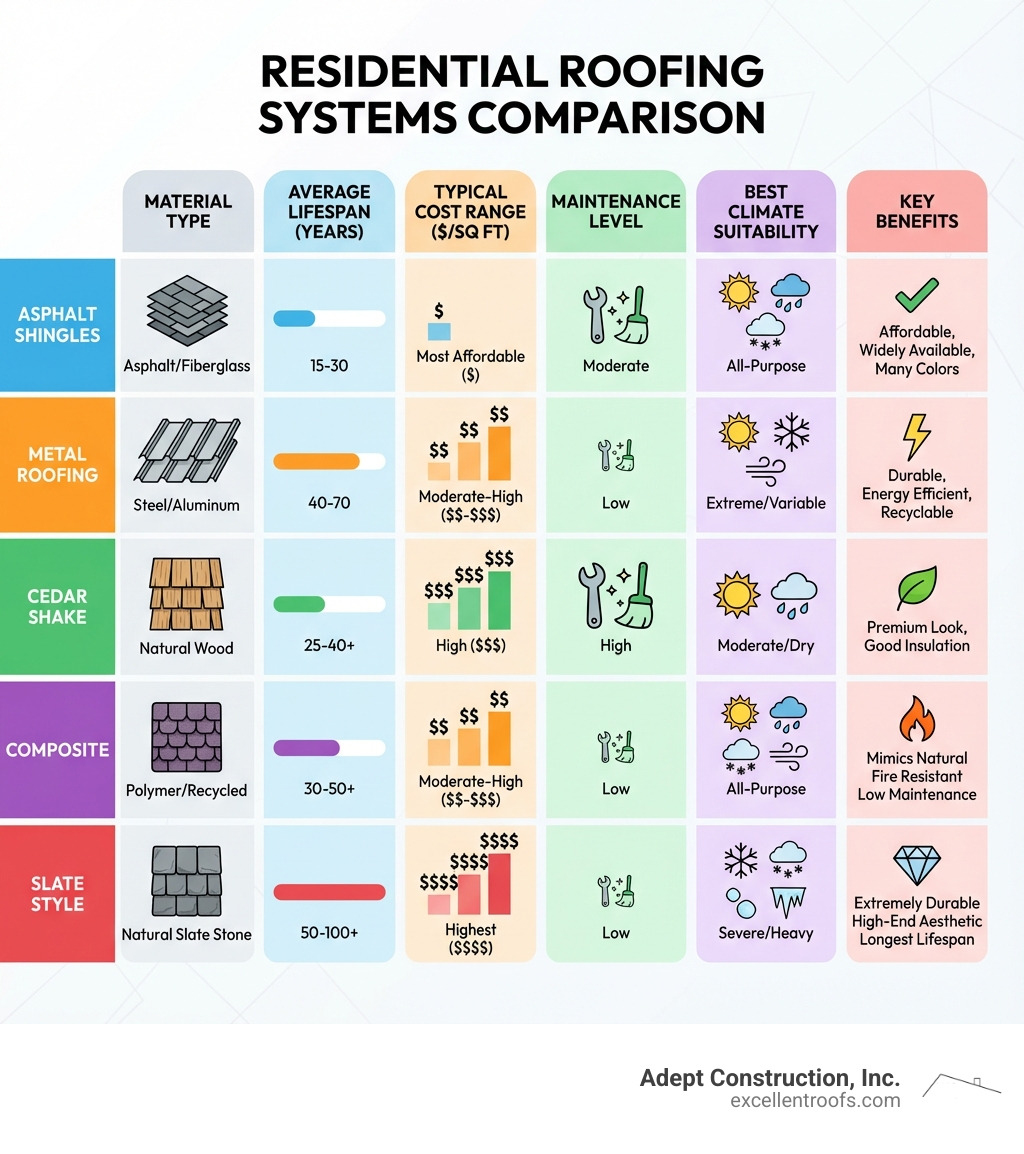
- Lifespan: Typically last between 15-30 years, depending on the shingle quality (3-tab vs. architectural), installation, and local weather conditions.
- Versatility: Suitable for most roof pitches and architectural styles.
- Maintenance: Relatively low maintenance, with occasional inspections for damage.
While asphalt shingles might not boast the extreme longevity of metal, their cost-effectiveness and aesthetic flexibility make them a solid choice for many. If you’re considering this classic option, we offer expert guidance and installation as part of our comprehensive residential roofing services. You can also explore our shingle roofing services to learn more.
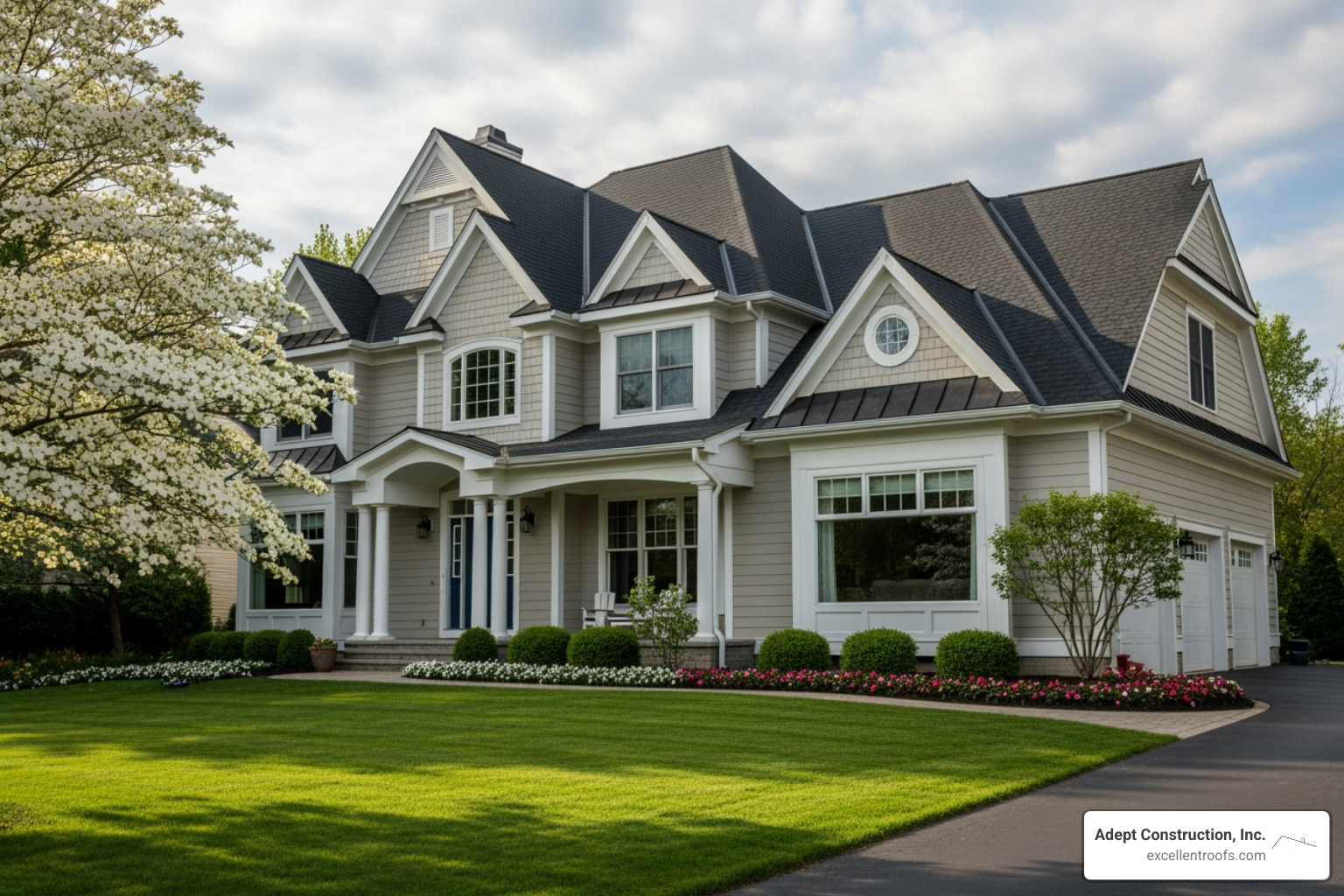
Exploring Metal Residential Roofing Systems
Metal roofing is a premium choice that has surged in popularity, especially for homeowners looking for exceptional longevity and superior performance. It is a significant step up from traditional asphalt in terms of durability and lifespan.
Key Characteristics:
- Durability: Metal roofs are incredibly tough, standing up to high winds, heavy snow, hail, and even fire better than most other materials. This makes them an excellent choice for the unpredictable Illinois weather.
- Lifespan: One of the longest-lasting residential roofing systems, metal roofs can easily last 40-70 years, often outliving the home’s original owners. This makes them highly cost-effective over their lifetime, despite a higher upfront investment.
- Energy Efficiency: Metal roofs can reflect a significant portion of solar radiant heat, reducing cooling costs by an estimated 10-25% when paired with proper attic ventilation.
- ‘Cool Chemistry’ Technology: Many modern metal roofs incorporate ‘Cool Chemistry’ paint finishes. These pigments are engineered to reflect a higher percentage of the sun’s energy, even in darker colors. This means a dark metal roof can still perform as efficiently as a light-colored roof in terms of solar reflectivity, keeping your home cooler and reducing your energy bills. This technology contributes to the “cool roof” designation. According to the U.S. Environmental Protection Agency’s ENERGY STAR program, cool roof products are defined by tested solar reflectance and thermal emittance values.
- Warranties: Manufacturers typically offer robust warranties for metal roofing systems, often covering material and finish for 20-50 years, sometimes even lifetime warranties. We always ensure our clients understand the full scope of their warranty.
- Styles: Metal roofs aren’t just for modern homes. They come in various styles:
- Standing Seam: Characterized by raised seams that run vertically up the roof panel, offering a sleek, contemporary look and excellent water shedding.
- Metal Shingles/Tiles: Designed to mimic the appearance of traditional asphalt shingles, wood shakes, or clay tiles, providing the durability of metal with a classic aesthetic.
The advantages of metal roofing panels extend to both residential and commercial applications, offering long-term protection and measurable energy savings.
Cedar Shake & Wood Roofing
For homeowners seeking a natural, rustic, and incredibly beautiful aesthetic, cedar shake and wood roofing are best. These roofs exude character and can significantly boost your home’s curb appeal, making them a popular choice in certain upscale neighborhoods of Naperville and Downers Grove.
Key Characteristics:
- Natural Beauty: The unique grain and texture of cedar shakes create a distinctive, warm, and inviting appearance that ages gracefully over time.
- Insulation: Wood is a natural insulator, providing an added layer of thermal resistance that can help keep your home warmer in winter and cooler in summer.
- Curb Appeal: A cedar shake roof instantly lifts the perceived value and charm of a home, offering a premium, handcrafted look.
- Maintenance Needs: While beautiful, cedar shakes require more maintenance than other materials. This includes regular cleaning to prevent moss and algae growth, and periodic treatment to extend their lifespan, which typically ranges from 20-40 years with proper care.
- Durability: Cedar shakes are surprisingly durable against impacts but are susceptible to fire unless treated.
If you appreciate the artistry and natural elegance of wood, a cedar shake roof might be the perfect choice for your home. We’re experts in installing and maintaining these beautiful systems. You can discover the elegance of cedar shake roofing through our services.
Composite & Slate Style Roofing
For those who desire the luxurious look of natural slate or wood shakes but prefer a lower-maintenance, more consistent, and often more durable alternative, composite roofing is an outstanding solution. These engineered materials are crafted to carefully mimic the aesthetics of natural products without the drawbacks.
Key Characteristics:
- Durability: Composite materials are highly durable, resistant to impact, fire, and UV degradation. They often come with warranties comparable to or even exceeding natural materials.
- Low Maintenance: Unlike natural wood, composite materials don’t rot, split, or attract insects. They also require minimal cleaning and no special treatments.
- Cost-Effective: While still a premium product, composite roofing is generally more affordable than natural slate or high-grade cedar shakes, offering a strong return on investment for its aesthetic appeal and longevity.
- Mimics Natural Materials: The manufacturing process allows for realistic textures, colors, and variations, making it nearly impossible to distinguish from natural slate or wood from the ground.
- Fire Resistance: Many composite shingles are Class A fire-rated, providing superior protection against external fire sources.
Composite roofing offers a smart blend of beauty, performance, and practicality, making it an increasingly popular choice for discerning homeowners. To see how these advanced materials can transform your home, see the benefits of composite roofing.
How to Choose the Right Roofing System for Your Home
Selecting the best roof for your home is a decision that impacts your property for decades. It involves balancing several key factors: your budget, your home’s architectural style, your local climate, and your desired level of maintenance. Our team at Adept Construction, Inc. is here to help you steer these choices, ensuring you make an informed decision for your Naperville or Downers Grove home.
Budgeting for Your Residential Roofing Systems
Let’s talk numbers. The average cost of a new residential roof replacement in the U.S. is between $8,000 and $15,000. However, this is just an average, and your specific project cost will vary based on the material chosen, the size and complexity of your roof, and labor costs. While the upfront cost is a significant consideration, it’s crucial to view it as an investment in your home’s value and safety.
- Upfront Cost: Asphalt shingles typically have the lowest initial cost, while metal, slate, and high-end composites or cedar shakes will have a higher price tag.
- Long-Term Value: The lifespan of a residential roof can significantly impact its overall cost. Longer-lasting materials, like metal (40-70 years) compared to asphalt (15-30 years), often prove more cost-effective over time. You might pay more initially for a metal roof, but you could avoid one or even two asphalt shingle replacements within the same period. This reduces future material and labor costs, making the long-term return on investment substantial.
- Return on Investment: A new, high-quality roof can dramatically increase your home’s resale value and curb appeal, potentially recouping a significant portion of its cost when you sell.
| Material | Lifespan (Years) | Avg. Cost (per sq ft) | Maintenance Level |
|---|---|---|---|
| Asphalt Shingles | 15-30 | $3.00 – $5.00 | Low |
| Metal | 40-70 | $8.00 – $15.00 | Very Low |
| Cedar Shake | 20-40 | $7.00 – $12.00 | Moderate |
| Composite/Synthetic | 30-50 | $6.00 – $12.00 | Low |
| Natural Slate | 75-150+ | $10.00 – $20.00+ | Low |
When you’re ready to explore options for your home, we provide transparent, detailed estimates. For specific pricing and options, especially for our neighbors, you can get a quote for roof replacement in Downers Grove, IL. We also offer competitive pricing for roof replacement in Naperville, IL.
Matching the Roof to Your Home’s Aesthetic
Your roof is more than just protection; it’s a huge part of your home’s visual identity. The right roofing material can dramatically improve your home’s curb appeal and architectural harmony. It’s often said that the roof makes up about 40% of your home’s exterior visible surface, so its appearance is incredibly important.
- Curb Appeal: A well-chosen roof improves the overall attractiveness of your property, which is crucial whether you plan to stay for years or are considering selling.
- Architectural Harmony: The style, color, and texture of your roof should complement your home’s architectural design. A rustic farmhouse might benefit from the warmth of cedar shakes, while a sleek modern home could be perfectly topped with standing seam metal.
- Color Selection: Consider the existing colors of your home’s siding, trim, and landscaping. Lighter roofs can make a home feel larger and reflect more sunlight, while darker roofs can provide a sense of grounding and sophistication.
- Texture: The texture of the material also plays a role. The smooth lines of metal, the dimensional look of architectural shingles, or the rugged appearance of cedar shakes all contribute to the home’s character. We encourage homeowners to explore their preferred aesthetic first, then consider the materials that best suit their needs and budget.
Climate, Durability, and Maintenance
Our local climate in Illinois is a major factor in choosing the right residential roofing systems. From harsh winters with heavy snow and ice to stormy summers with high winds and hail, your roof needs to be robust.
- Weather Resistance: The materials we recommend are chosen for their ability to withstand these specific challenges. Metal roofs, for example, are excellent against hail and high winds, while certain asphalt shingles are designed for superior impact resistance.
- Durability: Choosing a durable material can prevent the need for frequent repairs and replacements, saving you money and headaches in the long run. Investing in a resilient roof now means less worry about storm damage later.
- Maintenance Requirements: Consider how much time and effort you’re willing to put into maintaining your roof. Asphalt and metal roofs are generally low maintenance, while cedar shakes require more regular attention.
- Warranty Coverage: Always review the warranty offered by both the manufacturer and the installer. This provides peace of mind and protection for your investment. Long-term warranties, especially on materials like metal, reflect the manufacturer’s confidence in their product’s durability.
We understand the unique demands of the Illinois weather. That’s why we guide our clients toward residential roofing systems that offer optimal protection and resilience against the elements.
The Roof Installation Process
A high-quality residential roofing system is only as good as its installation. Even the best materials can fail prematurely if not installed correctly. That’s why working with experienced professionals, like our team at Adept Construction, Inc., is paramount. Proper installation ensures your roof maximizes its lifespan, performs as intended, and fully honors its warranty.
The process of installing a new roof, whether for a new build or a replacement, is a multi-step operation that we carefully manage:
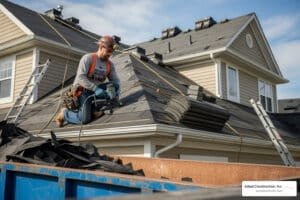
- Tear-Off: For a replacement, the first step is usually a complete tear-off of the old roofing material, right down to the roof deck. This allows us to inspect the underlying structure thoroughly.
- Deck Inspection and Repair: Once the old roof is off, we inspect the roof deck for any rot, damage, or soft spots. Any necessary repairs are made at this stage to ensure a solid foundation for your new roof.
- Underlayment Installation: A protective layer, often synthetic or asphalt-saturated felt, is then installed over the deck. This underlayment provides an additional barrier against moisture and helps protect the roof deck during installation. Ice and water shield membranes are particularly important in our Illinois climate, especially along eaves and in valleys, to prevent ice dam formation.
- Flashing: Flashing, typically made of metal, is installed around chimneys, vents, skylights, and in valleys where different roof planes meet. This critical component prevents water from penetrating the roof at these vulnerable points.
- Material Placement: Finally, your chosen roofing material – be it asphalt shingles, metal panels, cedar shakes, or composite tiles – is carefully installed according to manufacturer specifications and local building codes. This includes proper fastening, alignment, and overlapping to create a continuous, watertight barrier.
- Professional Installation: This entire process requires skilled craftsmanship. Our knowledgeable staff ensures that every step is executed with precision, adhering to best practices and manufacturer guidelines. This attention to detail is what sets us apart and guarantees the longevity and performance of your new roof.
We pride ourselves on our meticulous approach to every installation, ensuring your roof is installed to the highest standards.
Conclusion: Your Best Roof is a Long-Term Investment
Choosing a new roof is a significant undertaking, but by carefully considering your budget, aesthetic goals, and local climate, you can select a residential roofing system that not only protects your home but also improves its value for decades to come. The right combination of high-quality materials and professional, expert installation is key to a successful project and your long-term peace of mind.
At Adept Construction, Inc., we understand that your home is one of your most valuable assets. As a family-owned roofing company in Downers Grove, Illinois, we specialize in residential and commercial roof repairs, replacements, and installations. Our commitment to superior customer service, knowledgeable staff, and high-quality workmanship has earned us strong local referrals and customer satisfaction throughout Downers Grove and Naperville.
For homeowners looking for expert guidance and superior craftsmanship for their roofing project in Naperville, IL or the surrounding areas, a trusted local contractor is your best asset. We’re here to help you steer the complexities of residential roofing systems, from material selection to flawless installation.
If you’re ready to invest in your home’s future with a reliable, high-quality residential roofing system, contact us today for a free estimate. Let us show you the Adept Construction, Inc. difference – where quality craftsmanship meets exceptional service. We provide free estimates for all roofing projects and are committed to helping you make the best decision for your home’s protection and value.