
Why Finding the Right Residential Roofing Contractor Matters
Residential roofing contractors are professionals who specialize in installing, repairing, and maintaining roofs on homes and multi-family properties. Choosing the right contractor protects your investment, ensures quality workmanship, and provides peace of mind for decades to come.
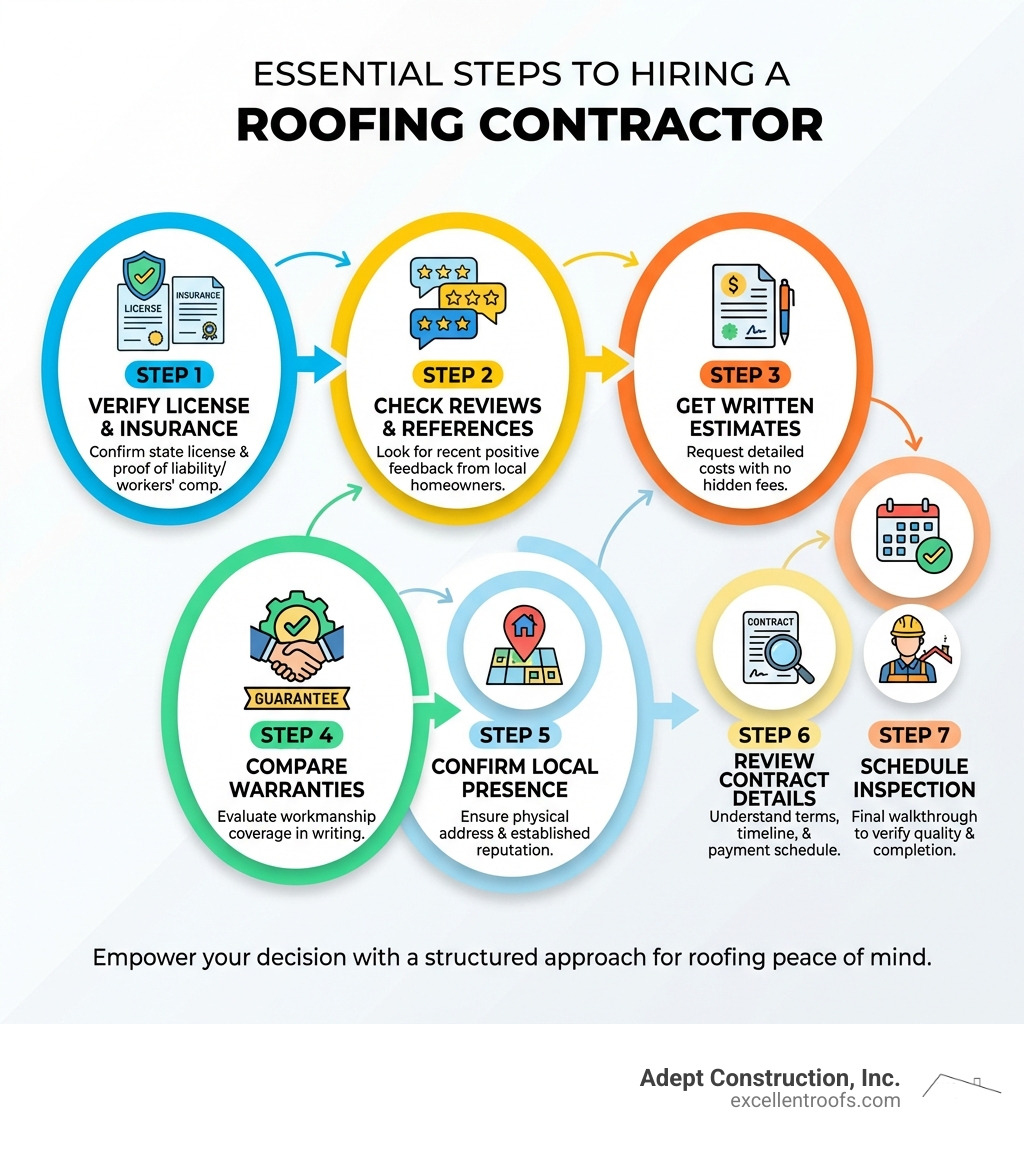
Quick Answer: What to Look for in a Residential Roofing Contractor
- Active Illinois state license (verify at IDFPR License Lookup)
- Proof of insurance (liability and workers’ compensation)
- Recent positive reviews from local homeowners (40+ reviews on Google, BBB, or Yelp)
- Clear, written estimates with no hidden fees
- Strong workmanship warranty (10+ years in writing)
- Local physical address and established reputation
- No large upfront deposits (10-20% maximum)
Your roof is your home’s first line of defense against weather and environmental hazards. A poorly installed or maintained roof can lead to leaks, water damage, mold growth, and costly structural repairs. According to industry data, most new roofs in Ontario cost between $2,000 and $11,000, while proper installation can extend a roof’s lifespan from 15 to 100 years depending on the material.
The stakes are high. As one homeowner in Woodridge finded, paying over $25,000 without proper vetting led to a contractor disappearing mid-project. Meanwhile, homeowners who invested time in research found trusted residential roofing services that delivered quality work, transparent communication, and lasting results.
The roofing industry has evolved significantly. Information that once favored contractors now empowers homeowners. You can verify a license in 30 seconds, read hundreds of reviews before breakfast, and spot red flags from three towns away. Yet many homeowners still struggle to separate legitimate professionals from storm chasers and fly-by-night operators.
This guide delivers a comprehensive, step-by-step approach to finding and hiring the best residential roofing contractors for your needs. From verifying credentials to understanding warranties, this resource empowers homeowners to make informed, confident decisions for protecting your home with a quality roof.
I’m Gerald Michaels, founder and president of Adept Construction, Inc., and I’ve been helping homeowners steer the residential roofing contractors selection process since 1997. With nearly three decades of experience serving Chicago’s Northwest, Near West, and West Suburbs, we’ve seen what separates exceptional contractors from those who cut corners.
Find more about residential roofing contractors:
Vetting Your Contractor: Essential Qualities to Demand
When it comes to your home’s roof, you wouldn’t trust just anyone, would you? We certainly wouldn’t! The process of vetting potential residential roofing contractors is critical, ensuring you hire a team that is not only skilled but also trustworthy and reliable. This involves scrutinizing their licensing, insurance, local reputation, communication style, and the clarity of their written estimates.
Every reputable roofer operating in Illinois must hold an active state license. While Illinois itself doesn’t have a statewide roofing license, local municipalities in areas like Downers Grove and Naperville often have their own requirements, and the Illinois Department of Financial and Professional Regulation (IDFPR) issues licenses for roofing contractors. You can easily verify their license through the IDFPR license lookup tool by searching for their name or business. If they’re not there, or their license is inactive, it’s a major red flag, and we advise against hiring them.
Beyond licensing, adequate liability insurance and workers’ compensation are non-negotiable. This protects you, the homeowner, from potential financial liabilities should an accident occur on your property. Imagine a scenario where a worker is injured on your roof, and the contractor lacks workers’ comp – you could be held responsible! A reputable roofer should carry at least $1 million in general liability insurance, with $2 million aggregate often preferred, and comprehensive workers’ compensation. Additionally, Illinois requires surety bonds ($10,000 for Limited licenses, $25,000 for Unlimited licenses), adding another layer of protection.
Key Qualities of a Trusted Residential Roofing Contractor
What truly sets exceptional residential roofing contractors apart? It’s a combination of tangible credentials and intangible qualities that build lasting trust.
Here’s what we believe homeowners in Downers Grove and Naperville should look for:
- Proven Track Record: Experience matters. A contractor who has been in business for decades, like some of the examples in our research with 40+ years in the trade, demonstrates longevity and stability. This isn’t just about age; it’s about a history of satisfied customers and successful projects.
- Local Presence: Choosing a local company means they understand the specific weather challenges and building codes in Downers Grove and Naperville. They’re also more invested in the community and easier to reach for future needs or warranty claims. A real physical address and local phone number are green flags; vague “virtual offices” are red flags.
- Positive Reviews: In 2026, online reviews are your best friend. Look for residential roofing contractors with a high average rating (4.5+ stars) and a good volume of recent reviews (at least 40+ on platforms like Google, Yelp, or Nextdoor). Pay attention to reviews from your specific town or nearby suburbs, and watch for how the company responds to feedback, both positive and negative.
- A+ BBB Rating: The Better Business Bureau (BBB) provides an objective measure of a company’s reliability and customer service. An A+ rating and full accreditation signal a commitment to ethical business practices. You can verify a contractor’s reputation via their Better Business Bureau (BBB) profile.
- Family-Owned & Community Involvement: As a family-owned business ourselves, we understand the pride and dedication that comes with serving our neighbors. Family-owned businesses often offer a more personalized touch, quicker response times, and are deeply involved in supporting local charities and initiatives. This isn’t just good for the community; it often translates to better service for you.
Learn more about choosing the right contractor for your home.
How to Verify Credentials and Prepare for an Estimate
You’ve identified a few promising residential roofing contractors – now it’s time to dig deeper. This stage is all about due diligence and setting clear expectations.
Here’s our checklist for verifying credentials and preparing for their visit:
- Request Proof of Insurance: Don’t just ask if they’re insured; ask for a Certificate of Insurance (COI) that names you as an additional insured party. This verifies their general liability and workers’ compensation coverage.
- Check Online Reviews and References: Go beyond their website. Search Google, Yelp, and the BBB for recent reviews. Ask them for local references—ideally, homeowners in Downers Grove or Naperville whose roofs you can drive by to inspect their work.
- Obtain Multiple Quotes: We always recommend getting at least three detailed quotes. This allows you to compare not just prices, but also materials, scopes of work, and warranties. Be wary of quotes that are significantly lower than others; quality often comes at a fair price.
- Prepare a List of Questions: Don’t be shy! Ask about their licensing, insurance, experience with your specific roof type, project timeline, cleanup procedures, and, crucially, their warranty. Knowing who will supervise the job on-site and how they’ll communicate updates is also important.
- Document Existing Damage: Before any work begins, take photos or videos of your roof and property. This provides a baseline and helps prevent disputes later.
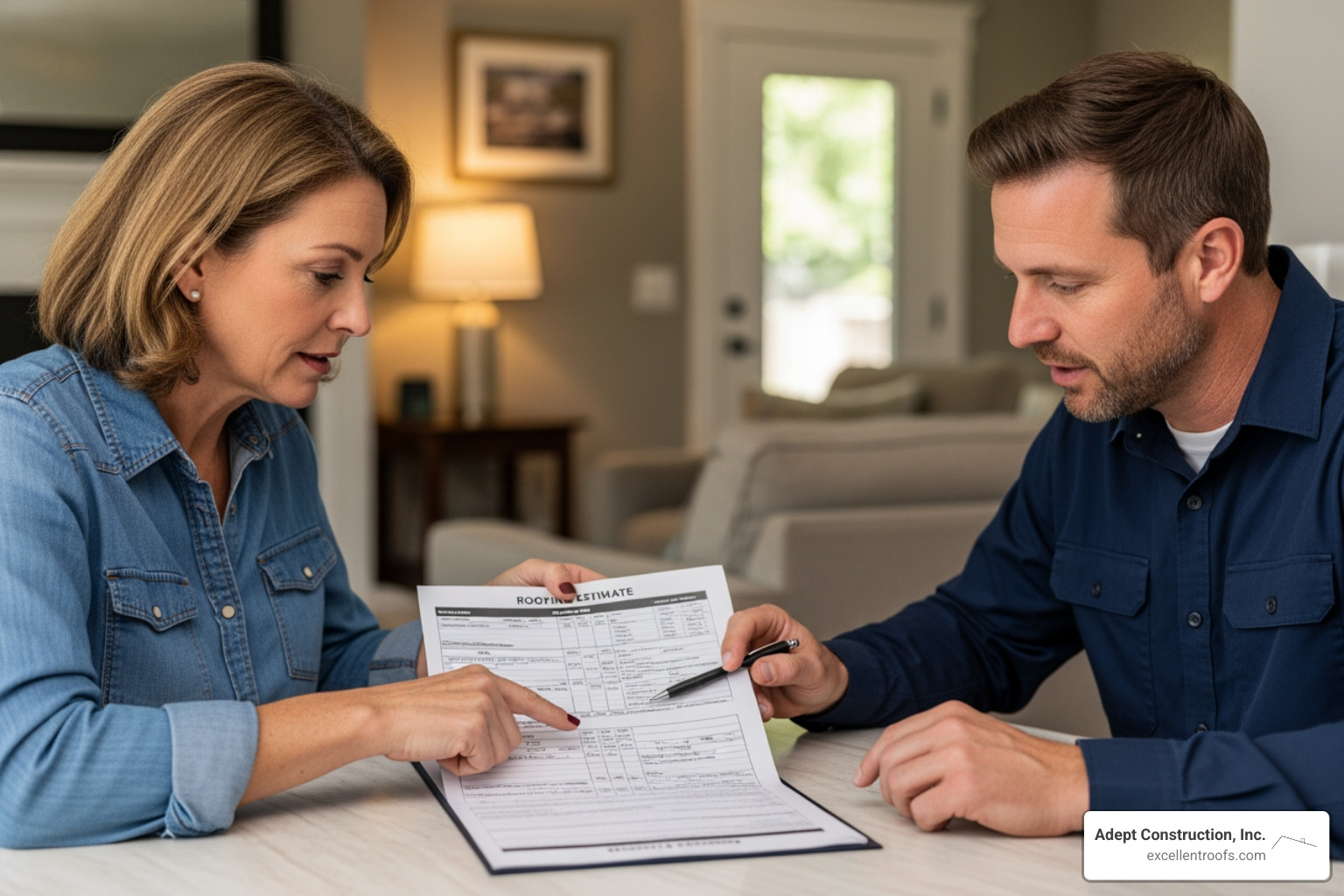
An educated customer is a confident customer. Trust your gut; if something feels off, it probably is.
Understanding Your Roofing Project: Materials, Process, and Costs
Once you’ve narrowed down your choices for residential roofing contractors, the next step is to understand the specifics of your roofing project. The scope of a roofing project is determined by the materials selected, the installation process, and the size and complexity of the roof. These factors directly impact both cost and longevity. Understanding these elements is essential for effective budgeting and selecting the best options for your home in Downers Grove, IL and Naperville, IL.
Common Residential Roofing Materials and Systems
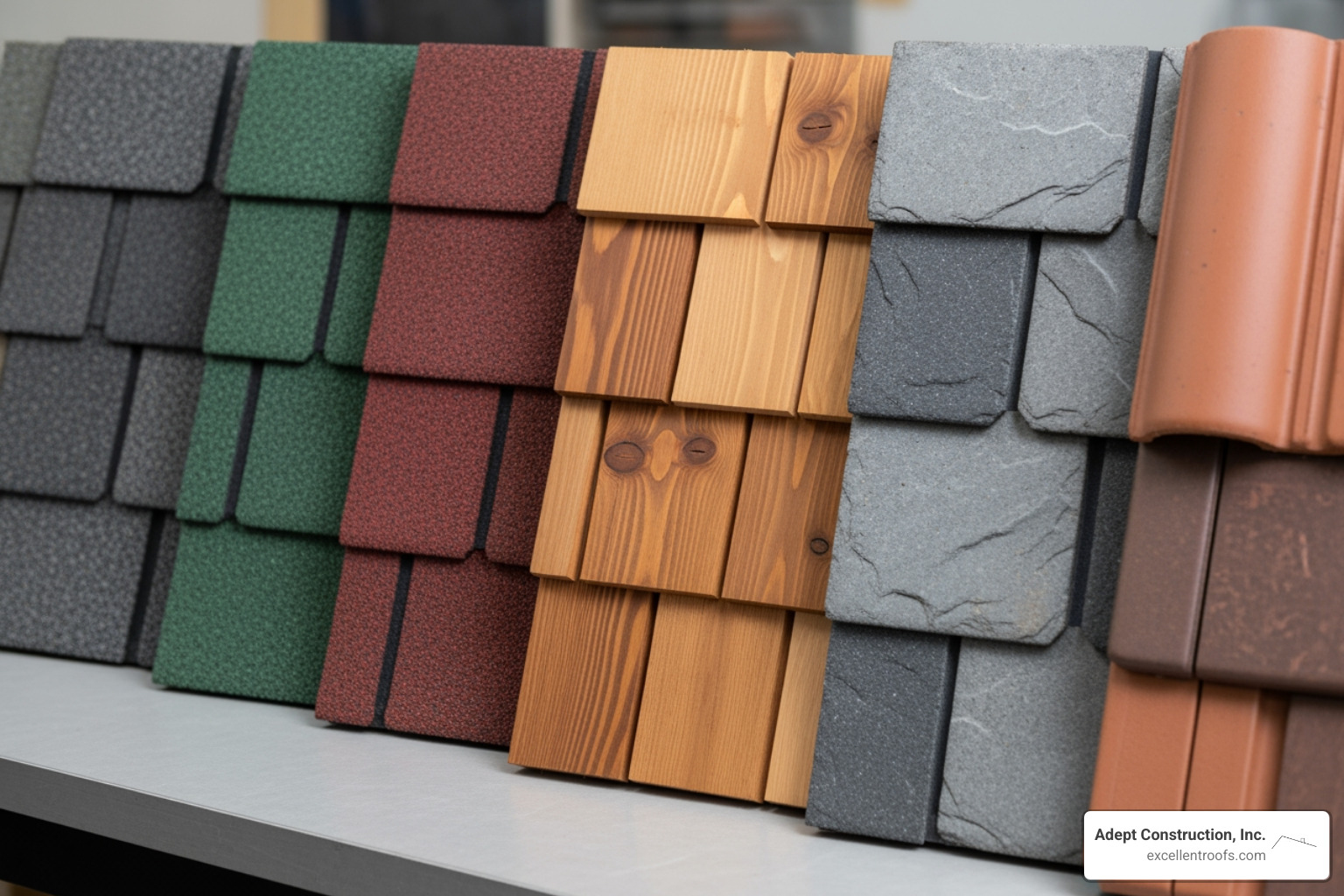
The choice of roofing material significantly impacts your home’s aesthetics, durability, and cost. In our service areas of Downers Grove and Naperville, we often work with a variety of popular and reliable options:
- Asphalt Shingles: These are by far the most common residential roofing material in our area, covering about 80% of homes in the western suburbs. They are cost-effective, versatile, and come in a wide range of colors and styles. Modern asphalt shingles can last over 25 years, especially with proper installation and maintenance.
- Cedar Shake Roofing: For a more natural and rustic look, cedar shakes are an excellent choice. They offer great insulation and can last anywhere from 30 to 50 years, adding significant curb appeal and value to your home.
- Composite Roofing: Made from recycled materials, composite shingles mimic the look of natural slate or wood shakes but offer improved durability, impact resistance, and a longer lifespan, often exceeding 50 years. They’re a fantastic low-maintenance option.
- Flat Roofing: While less common for primary residential structures, flat roofing systems are often used for additions, garages, or porches. Materials like EPDM, TPO, or modified bitumen are durable and typically last 15-25 years.
When making your choice, it’s wise to consider comparing roof materials for your climate and specific needs.
The Typical Roof Installation or Repair Process
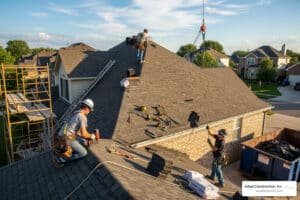
Whether it’s a repair or a full replacement, a professional roof installation follows a detailed, multi-step process to ensure quality and longevity. Here’s what you can generally expect when you hire experienced residential roofing contractors like us:
- Initial Inspection: Our team conducts a thorough assessment of your existing roof, attic, and underlying structures to identify any damage, ventilation issues, or structural concerns. We take photos to document our findings and discuss them with you.
- Material Delivery: Once materials are selected, they are delivered to your property, typically placed in a way that minimizes disruption.
- Tear-Off of Old Roof: For replacements, we always perform a full tear-off, removing all existing layers of roofing down to the decking. We believe “layovers” (installing new shingles over old ones) hide problems, void warranties, and significantly reduce your roof’s lifespan.
- Decking Inspection & Repair: With the old roof removed, we carefully inspect the roof decking for any rot, damage, or soft spots. Any compromised sections are repaired or replaced to ensure a solid foundation for your new roof.
- Installation of Underlayment & Shingles: This is where the magic happens! We install a leak barrier (ice and water shield), roof deck protection, and then the chosen roofing material, adhering to manufacturer specifications and local building codes. This includes proper ventilation and flashing around chimneys, skylights, and vents.
- Site Cleanup: We pride ourselves on leaving your property cleaner than we found it. Our crews use tarps to protect landscaping and magnetic sweeps to collect nails, ensuring a safe environment for your family and pets.
- Final Walk-through: A project manager will conduct a final inspection with you to ensure your complete satisfaction and answer any remaining questions.
A typical roof installation can take anywhere from 1 to 3 days, though larger or more complex projects might take a bit longer, especially if weather causes delays.
How Roofing Costs Vary by Material and Scope
The question on every homeowner’s mind: “How much will this cost?” The cost of residential roofing projects is influenced by several key factors, making each estimate unique.
- Project Size: This is straightforward – larger roofs require more materials and labor, thus higher costs. Roof repairs are often calculated by the square foot, with small patches costing $350-$1,000 and larger repairs (like fascia or truss repair) ranging from $1,000-$5,000.
- Material Choice: As discussed, different materials have vastly different price points and lifespans. Asphalt shingles are generally the most economical, while cedar shakes or composite materials will be a higher investment upfront but offer longer durability.
- Labor Costs: Skilled labor is a significant component of your roofing cost. Experienced, certified residential roofing contractors with properly trained crews command fair wages, which reflects in the estimate.
- Roof Complexity: A steeply pitched roof, multiple dormers, skylights, or intricate architectural features increase the labor and time required, thus raising the cost. Simple, single-plane roofs are typically less expensive.
- Geographic Location: While we serve Downers Grove and Naperville, even within these areas, local market conditions can cause slight variations. The cost of living, material transport, and local demand all play a role.
- Permit Fees: In Illinois, roofing permits are required by municipalities to ensure work meets safety and building codes. These fees are typically included in your overall estimate.
Understanding these variables helps you understand why the average cost of replacing a roof can vary significantly. During peak season (late spring to early fall), estimates might take a bit longer to receive, but a professional quote should still arrive within a few days.
Decoding the Fine Print: Warranties and Financing
Investing in a new roof is a significant financial decision, one that should be protected for years to come. That’s why understanding roofing warranties and exploring financing options is crucial for protecting your investment and making your project affordable. Reputable residential roofing contractors provide clear, transparent information on both, ensuring you have peace of mind.
What to Look for in a Roofing Warranty
A quality roof comes with two main types of warranties, both essential for your protection:
- Workmanship Warranty: This warranty covers the contractor’s installation. It ensures that if your roof fails due to faulty installation (e.g., improperly nailed shingles, incorrect flashing), the contractor will repair it at no additional cost. We believe a 10-year or longer workmanship warranty signals a contractor’s confidence in their work and commitment to quality.
- Manufacturer Warranty: This warranty covers the roofing materials themselves, protecting against defects in the shingles, underlayment, and other components. Leading manufacturers like GAF offer comprehensive warranties that can last 25, 30, or even 50 years.
When reviewing warranties, pay close attention to:
- Coverage Period: How long does each part of the warranty last?
- Transferability: Can the warranty be transferred to a new homeowner if you sell your house? This can be a significant selling point.
- Exclusions: What specifically is not covered? (e.g., storm damage often falls under homeowner’s insurance, not a manufacturer warranty).
Many manufacturer warranties, such as those from GAF, can be improved or extended if the roof is installed by a certified contractor. For complete details, always refer to the official documents; you can learn more about GAF’s warranty options directly from their website.
How Financing Options Work for Roofing Projects
We understand that a new roof can be a substantial expense. That’s why many homeowners in Naperville, IL and Downers Grove, IL use financing to invest in a high-quality roof without straining their savings.
Here are common financing options available for roofing projects:
- In-House Financing: Many residential roofing contractors partner with financial institutions to offer their own financing plans. These can often come with competitive interest rates and convenient monthly payments.
- Third-Party Lenders: Companies specializing in home improvement loans can provide financing directly to homeowners. These often feature quick approval processes and flexible terms.
- Personal Loans: Banks and credit unions offer personal loans that can be used for any purpose, including home renovations.
- Home Equity Loans/Lines of Credit (HELOCs): If you have equity in your home, these options can provide a larger sum of money at potentially lower interest rates, as your home serves as collateral.
The key is to find a solution that offers affordable monthly payments and fits your budget, allowing you to get the quality roof you need without financial stress. We believe that a new roof is an investment that protects your home, improves curb appeal, and increases resale value, so flexible financing can make that investment more accessible.
Red Flags for Your Roof: When to Call a Professional
Your roof is constantly battling the elements, and over time, even the most durable materials will show signs of wear. Recognizing the signs that you need a professional roofer can prevent costly damage and structural issues. A prompt roof inspection is the first step toward a solution, whether it’s a repair or a full replacement.
Telltale Signs Your Roof Needs Repair or Replacement
Don’t wait for a leak to tell you your roof needs attention! Here are the common indicators that it’s time to call in the residential roofing contractors:
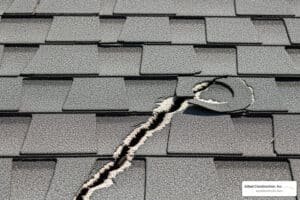
- Curling or Cracked Shingles: If your asphalt shingles are curling at the edges, buckling in the middle, or showing visible cracks, it means they’re losing their protective granules and nearing the end of their lifespan.
- Missing Shingles: High winds can rip shingles right off your roof, leaving exposed areas vulnerable to water infiltration. Even one missing shingle warrants immediate attention.
- Granules in Gutters: Those tiny, sand-like particles in your gutters are your shingles’ protective coating. If you see a significant accumulation, it means your roof is shedding its defense against the sun’s UV rays and weathering.
- Water Stains on Ceilings or Walls: This is a clear sign of a leak. Water stains often appear as discolored patches and indicate that water has breached your roof and is seeping into your home’s interior.
- Sagging Roof Deck: If you notice any visible dips or sagging in your roofline, it could indicate structural issues with the decking or framing, which is a serious problem requiring immediate assessment.
- Leaks in the Attic: During or after a rainstorm, head up to your attic with a flashlight. Look for water spots, streaks, or active drips. This is often the first place roof leaks become apparent.
If you notice any of these issues, it may be time for roof repair in Downers Grove, IL or roof repair in Naperville, IL. Early detection can save you a lot of headache and expense!
The Dangers of Delaying Roof Repairs
Ignoring those warning signs isn’t just risky; it’s an open invitation for bigger, more expensive problems. The dangers of delaying roof repairs are significant:
- Structural Damage: What starts as a small leak can eventually lead to rotting roof decking, rafters, and even your home’s framing. This compromises the structural integrity of your entire house.
- Mold and Mildew Growth: Persistent moisture from a leak creates a perfect breeding ground for mold and mildew in your attic and walls. This not only causes unpleasant odors but can also pose health risks to your family.
- Reduced Energy Efficiency: A damaged roof, especially one with compromised insulation or poor ventilation due to leaks, can lead to significant heat loss in winter and heat gain in summer. This forces your HVAC system to work harder, driving up your energy bills.
- Decreased Property Value: A visibly damaged or leaking roof is a major deterrent for potential buyers and will significantly devalue your home. It can also complicate insurance claims for future issues.
Even a small roof leak can escalate into a major problem if left unaddressed. Proactive maintenance and timely repairs are always more cost-effective than emergency replacements.
The GAF Certification Advantage for Residential Roofing Contractors
When selecting residential roofing contractors, it’s helpful to look for certifications from leading manufacturers. GAF is North America’s largest roofing manufacturer, and their certification program sets the industry standard for quality. Hiring a GAF-certified contractor gives homeowners added assurance and access to superior warranty protection.
What is a GAF-Certified Contractor?
A GAF-certified contractor isn’t just any roofer; they’re part of an elite group that has met rigorous standards set by GAF. This certification indicates a commitment to quality and ongoing professionalism.
Here’s what it means:
- Factory-Trained: GAF-certified residential roofing contractors undergo specialized training directly from GAF on the proper installation techniques for all GAF products and roofing systems. This ensures your roof is installed “by the book” according to manufacturer specifications.
- Properly Insured: To qualify for GAF certification, contractors must carry the necessary general liability and workers’ compensation insurance, protecting you as the homeowner.
- Licensed by State: GAF verifies that their certified contractors are properly licensed to perform roofing work in their respective states and municipalities, including Illinois.
- Proven Reputation: GAF evaluates a contractor’s reputation, assessing their years in business and customer reviews before granting certification.
- Committed to Ongoing Training: GAF-certified contractors must stay up-to-date with the latest roofing technologies and installation methods through continuous education.
Only the top 2% of roofers in North America achieve GAF Master Elite® Contractor status, which is the highest level of certification. This truly signifies the “best of the best” among residential roofing contractors.
Benefits of Choosing a GAF-Certified Roofer
The advantages of choosing a GAF-certified contractor extend far beyond just proper installation:
- Access to Improved Warranties: This is perhaps the biggest benefit. GAF-certified residential roofing contractors can offer improved warranties that non-certified roofers cannot. These warranties provide extended coverage for both materials and workmanship, giving you superior peace of mind.
- Golden Pledge® Warranty: Offered by GAF Master Elite® contractors, this is GAF’s strongest warranty, providing 50-year material defect coverage and a 25-year workmanship warranty.
- Silver Pledge™ Warranty: Available through Certified Plus™ contractors, offering strong material defect coverage and a 10-year workmanship warranty.
- System Plus Limited Warranty: Offered by Certified™ contractors, providing material defect coverage and a 2-year workmanship warranty.
- Peace of Mind: Knowing your roof was installed by a factory-trained professional and is backed by the largest roofing manufacturer in North America means you’re protected for decades.
GAF-certified contractors are trusted to offer the manufacturer’s strongest guarantees, ensuring your new roofing system is protected for decades. As a company dedicated to quality, we understand the value of these certifications for our customers in Downers Grove and Naperville.
Conclusion
Hiring the right residential roofing contractors is a critical decision for every homeowner. By prioritizing licensed, insured, and experienced local professionals with a proven track record, you safeguard your investment and your home’s safety. Look for contractors who provide transparent estimates, robust warranties, and high-quality materials.
For homeowners in Downers Grove and Naperville, Adept Construction, Inc. exemplifies these standards, offering family-owned service backed by decades of expertise. We are committed to superior customer service, knowledgeable staff, and high-quality workmanship, earning strong local referrals and customer satisfaction. We provide free, no-obligation estimates to help you get started. Contact us today to learn more about our residential roofing services.