
Is the Cost of 20-Year Shingles vs 30-Year Worth the Difference?
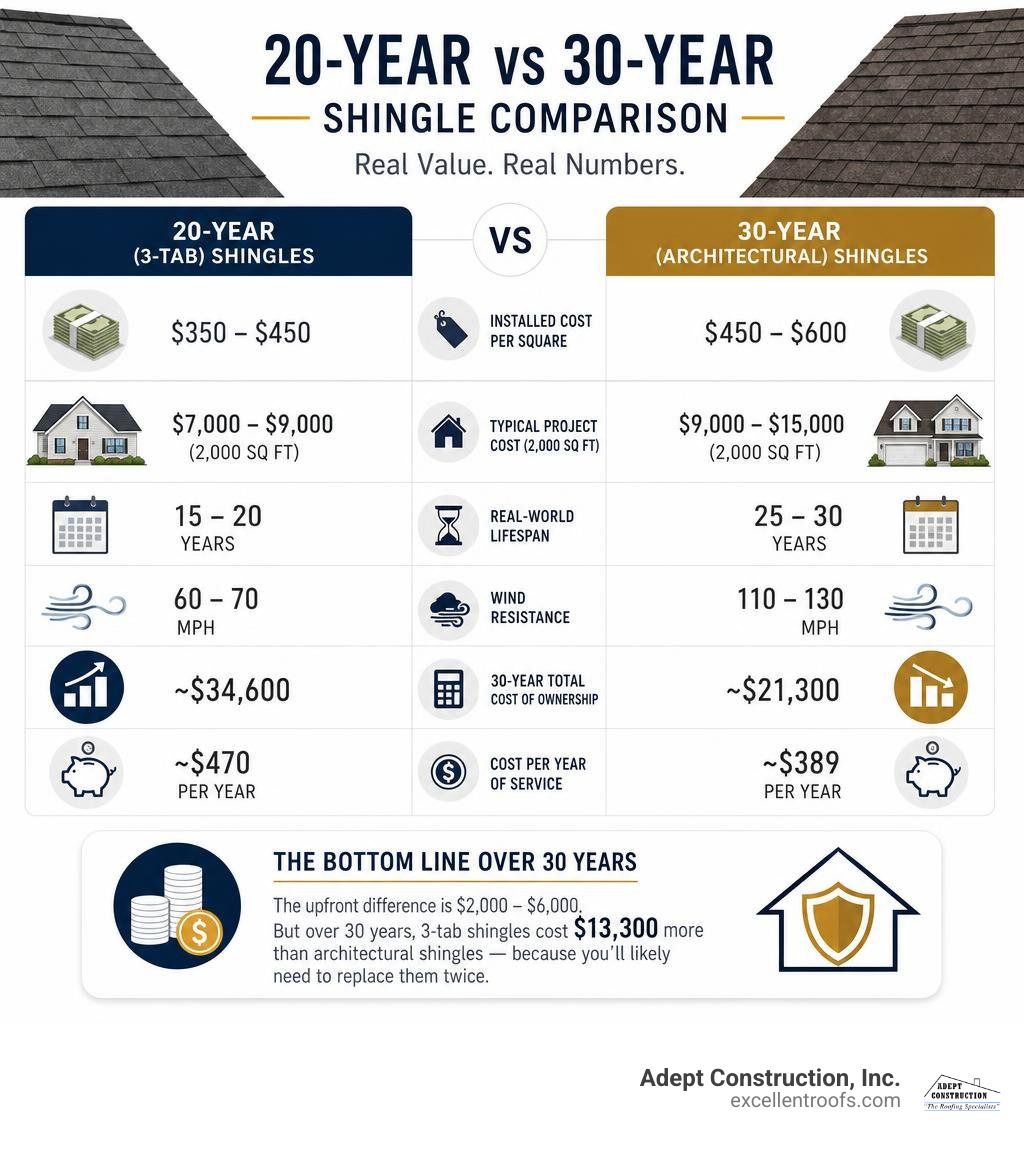
The cost of 20-year shingles vs 30-year architectural shingles breaks down like this at a glance:
| Factor | 20-Year (3-Tab) Shingles | 30-Year (Architectural) Shingles |
|---|---|---|
| Installed cost per square | $350–$450 | $450–$600 |
| Typical project cost (2,000 sq ft) | $7,000–$9,000 | $9,000–$15,000 |
| Real-world lifespan | 15–20 years | 25–30 years |
| Wind resistance | 60–70 mph | 110–130 mph |
| 30-year total cost of ownership | ~$34,600 | ~$21,300 |
| Cost per year of service | ~$470/year | ~$389/year |
The upfront difference is $2,000–$6,000. But over 30 years, 3-tab shingles cost $13,300 more than architectural shingles — because you’ll likely need to replace them twice.
That gap is what most homeowners miss when they focus only on the sticker price.
Choosing the right shingle type isn’t just about what you can afford today. It’s about how long you plan to stay in your home, what climate you’re dealing with, and what your roof will cost you over its entire life. For Illinois homeowners navigating harsh freeze-thaw winters and severe storms, that decision carries real financial weight.
If you’re researching expert roofing contractors to help you make this call, you’re already asking the right question.
I’m Gerald Michaels, founder of Adept Construction, Inc., and with nearly 30 years of hands-on roofing experience across Naperville and the greater Chicago suburbs, I’ve helped hundreds of homeowners navigate the cost of 20-year shingles vs 30-year roofing options — and seen how that choice plays out over decades. In the sections below, I’ll walk you through the full cost comparison, real-world durability data, and a clear decision framework so you can choose with confidence.
Cost of 20-year shingles vs 30-year vocab to learn:
Upfront Pricing Breakdown: Cost of 20-Year Shingles vs 30-Year Options
When evaluating the cost of 20-year shingles vs 30-year options, standard sticker prices can be deceiving. In the roofing industry, materials are measured in “squares,” where one square equals 100 square feet of roof surface. Understanding how material pricing and labor costs divide across a typical installation reveals why initial quotes differ so substantially. For detailed estimating frameworks across various home sizes, review our A Comprehensive Guide to Roofing Shingles Cost.
Material and Installation Cost Breakdown
The installed cost for 20-year standard 3-tab shingles ranges from $350 to $450 per square, whereas 30-year architectural shingles range from $450 to $600 per square (and up to $750 per square for premium architectural grades).
When examining raw material expenses alone, 20-year 3-tab shingles cost approximately $80 to $130 per square, while 30-year architectural shingles cost $100 to $250 per square. Labor and equipment overhead account for roughly 60% to 70% of the total installation quote across both material tiers. Because architectural shingles weigh significantly more—ranging from 250 to 400 lbs per square compared to 200 to 250 lbs per square for 3-tab shingles—they require additional physical effort and labor handling during tear-off and positioning. For deeper insights into current material and labor market trends, check out the Asphalt Shingles Cost Guide For Homeowners.
Analyzing the Upfront Cost of 20-Year Shingles vs 30-Year Architectural Options
For a standard 2,000-square-foot single-family home (which translates to approximately 20 roofing squares when factoring in roof pitch and waste factors), total installation expenses break down into distinct pricing brackets:
- 20-Year (3-Tab) Shingles: $7,000 to $9,000 total installed price.
- 30-Year (Architectural) Shingles: $9,000 to $15,000 total installed price.
This creates an initial upgrade price differential of $2,000 to $6,000 for a 2,000-square-foot roof. While $2,000 to $6,000 is a meaningful upfront investment, evaluating this figure alongside total expected lifespan reveals that architectural shingles represent a superior financial choice. For detailed project estimates focused specifically on dimensional upgrades, refer to our guide on the Cost to Replace Roof Architectural Shingles.
Real-World Durability, Wind Resistance, and Lifespan Realities
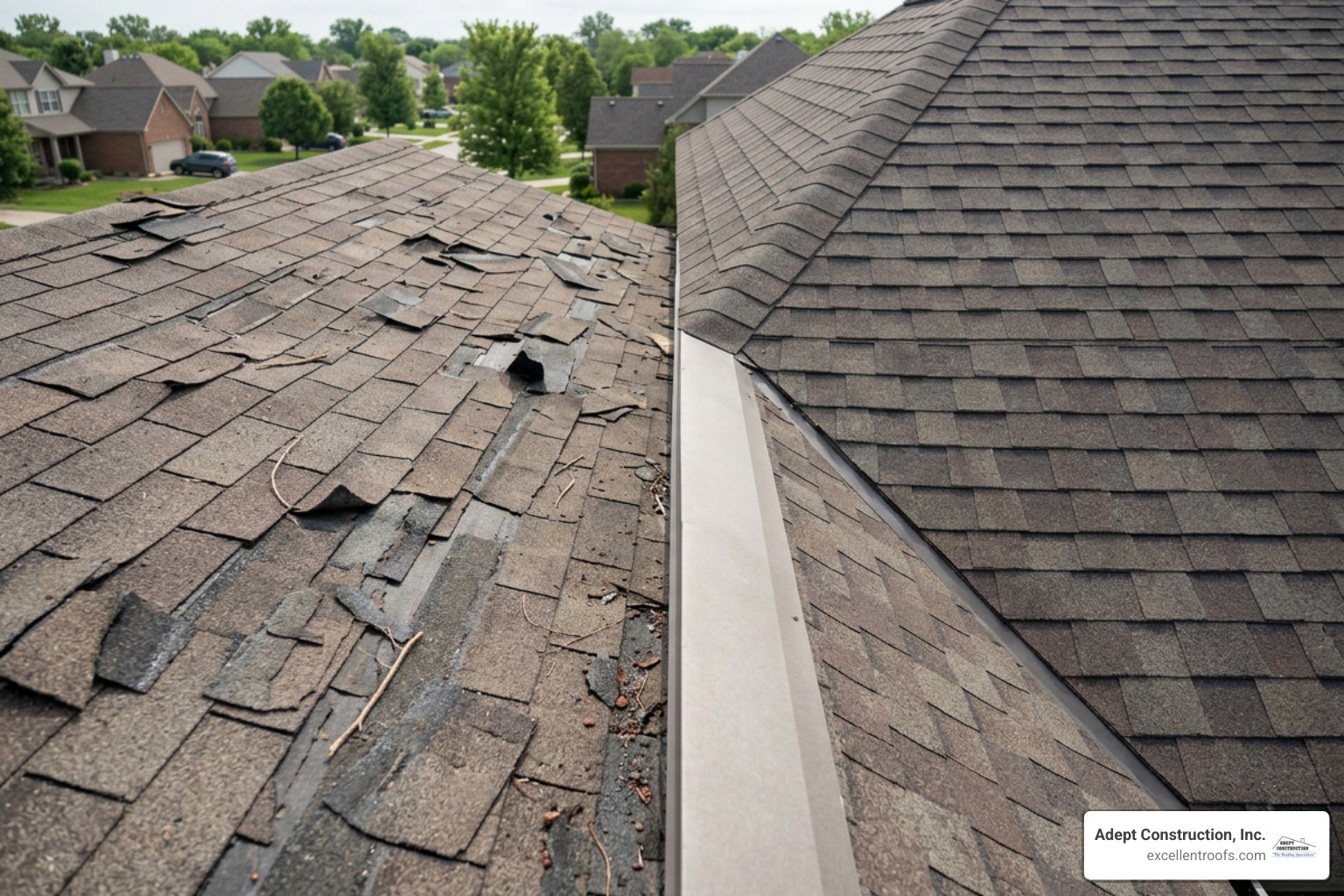
A shingle’s nominal age rating (20-year vs. 30-year) reflects factory bench-testing parameters rather than a strict calendar guarantee. Physical construction directly governs how each shingle type tolerates extreme Midwestern weather.
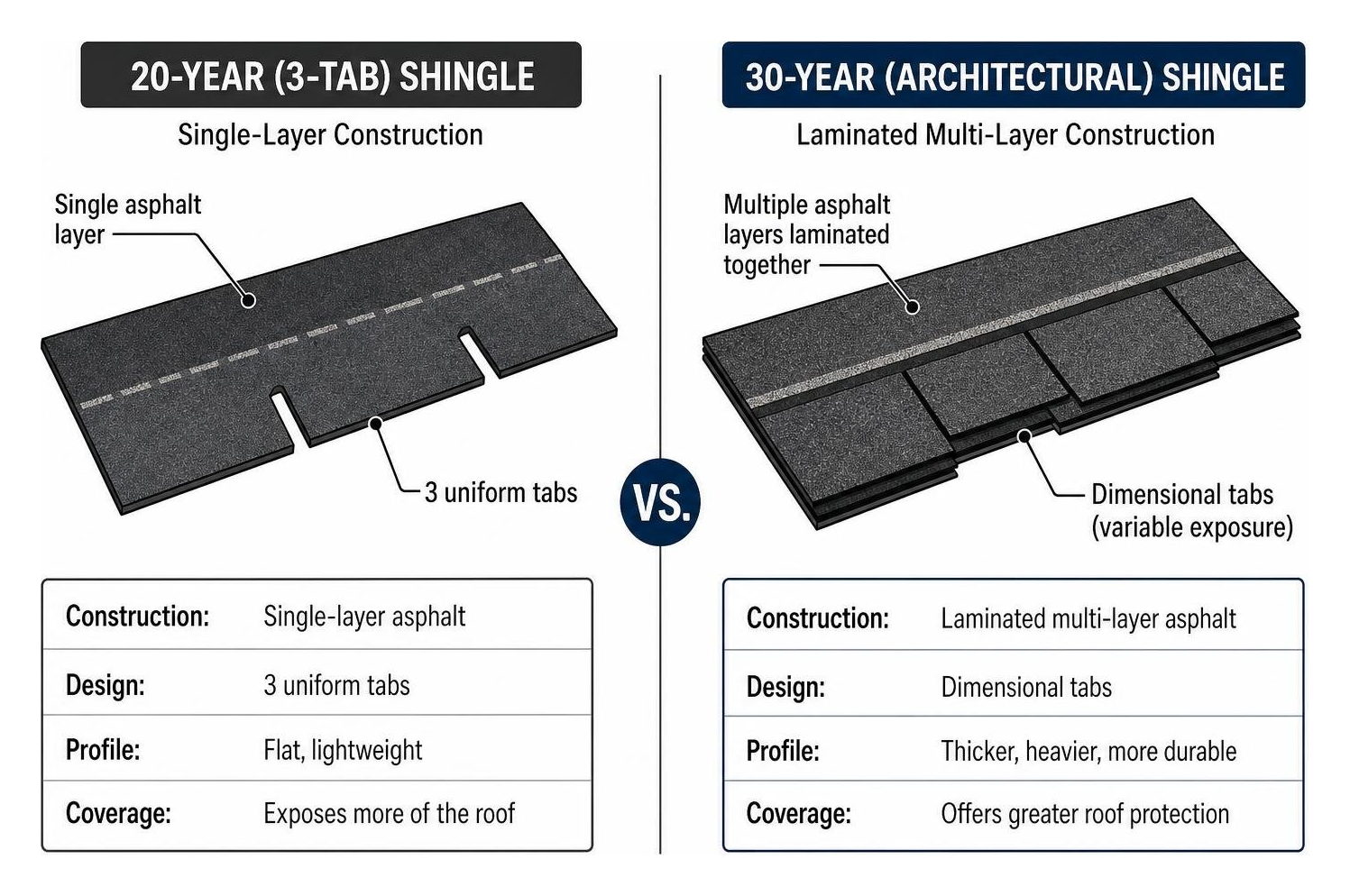
Traditional 20-year shingles feature a single-layer, flat asphalt design with three uniform cutouts (tabs). This thin composition leaves the material light and flexible, but far more vulnerable to wind uplift and thermal degradation over time. By contrast, 30-year architectural shingles feature a laminated, multi-layered construction where multiple asphalt layers are bonded together. This additional mass provides physical structural integrity, enhanced granule retention, and superior resistance against hail impacts and wind shear.
Wind Uplift Ratings and Weather Resistance
Wind performance represents one of the most critical structural differences between these two products. Standard 20-year 3-tab shingles carry wind uplift ratings of 60 to 70 mph. Severe thunderstorm gusts in Northern Illinois frequently surpass these thresholds, resulting in blown-off tabs, exposed roof underlayment, and immediate water entry risks.
In contrast, 30-year architectural shingles carry wind ratings of 110 to 130 mph when installed using standard six-nail application patterns. Their dimensional weight creates a heavier interlocked barrier that holds fast during severe weather events. To dive deeper into technical wind ratings and structural specifications, read 3-Tab vs Architectural Shingles — Cost, Lifespan & Performance.
Maintenance Requirements and Hidden Costs
Lower upfront material expenses can be quickly offset by ongoing maintenance demands. Because 20-year 3-tab shingles are lightweight and single-layered, they suffer higher rates of tab creasing, thermal cracking, and wind loss. Replacing missing individual tabs requires ongoing labor calls over the roof’s lifespan.
Furthermore, unexpected roof decking repairs represent a major hidden cost during any replacement project. Roof deck board repairs typically cost $2 to $5 per square foot. When water sneaks past wind-damaged 20-year shingles, underlying OSB or plywood decking rots silently, forcing homeowners to establish a $500 to $2,000 contingency budget during their next replacement. Additionally, home maintenance practices like pressure washing can strip protective asphalt granules from fragile 3-tab shingles, permanently shortening their service life.
30-Year Total Cost of Ownership (TCO) and Resale ROI
Evaluating the cost of 20-year shingles vs 30-year options over a multi-decade timeline reveals a striking financial truth: the cheaper roof upfront is almost always the more expensive roof over time.
30-Year TCO: Calculating the True Cost of 20-Year Shingles vs 30-Year Roofing
Over a 30-year timeline, a home protected by 20-year 3-tab shingles will require two complete roof replacements due to an actual service life of 15 to 20 years per roof. Conversely, a 30-year architectural roof typically lasts 25 to 30 years under proper maintenance, requiring only a single installation over that same period.
According to comprehensive industry financial metrics from the 2026 Roof Replacement True Cost of Ownership Analysis, the total 30-year financial breakdown for a standard 2,000-square-foot home operates as follows:
- 20-Year (3-Tab) 30-Year TCO: $34,600 total (combining initial installation, maintenance, inflation, tear-off fees, and a full secondary replacement cycle).
- 30-Year (Architectural) 30-Year TCO: $21,300 total (combining initial installation, routine maintenance, and minor age-related upkeep with zero full tear-offs required).
Calculated as an annualized metric, 20-year 3-tab shingles cost approximately $470 per year of service, whereas 30-year architectural shingles cost $389 per year of service. Paying for double tear-off labor and secondary disposal fees makes 3-tab shingles significantly more expensive per year of protection.
Resale Value and Return on Investment Within 10 Years
If you plan to sell your home within 5 to 10 years, upgrading to 30-year architectural shingles remains a smart financial move. Architectural shingles consistently recover 60% to 65% of their initial cost in added home appraisal value upon resale.
Modern homebuyers expect multi-dimensional architectural roofs. A flat, light 3-tab roof can signal an aging structure or budget-conscious property maintenance to home inspectors and prospective buyers, often triggering requests for roof replacement credits during contract negotiations. Installing durable shingle roofing systems enhances immediate curb appeal, modernizes the exterior aesthetic, and eliminates buyer friction during closing inspections.
Warranty Coverage and Midwest Regional Climate Factors
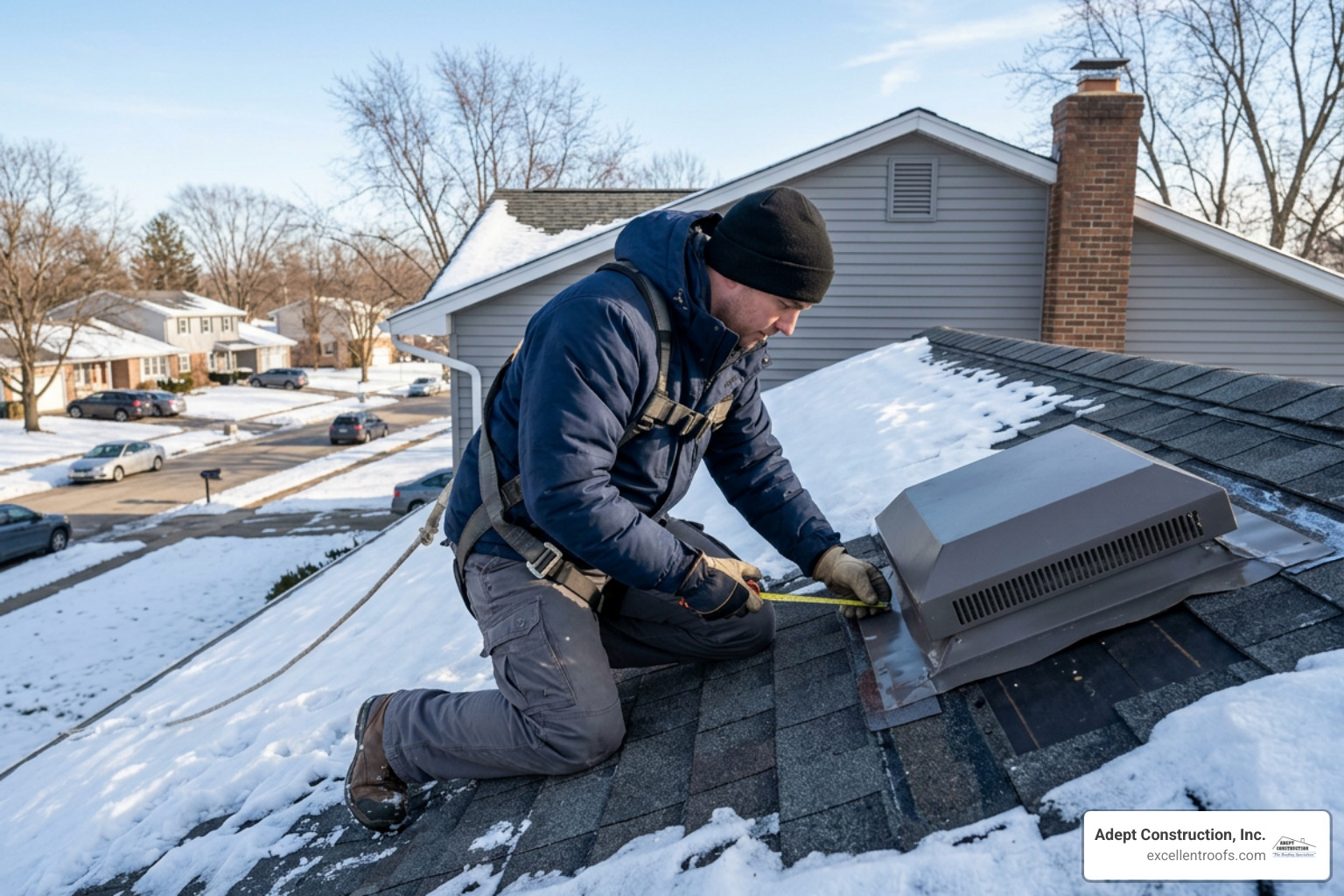
Understanding warranty fine print is essential when analyzing the cost of 20-year shingles vs 30-year choices. Marketing labels like “20-year” or “30-year” reflect manufacturer warranty limits under ideal laboratory testing, not guaranteed physical performance dates.
Manufacturer Warranties and Prorated Coverage Realities
Most standard manufacturer warranties provide non-prorated coverage for the first 10 to 15 years. During this initial timeframe, if a verified manufacturing defect causes material failure, the manufacturer covers full replacement materials and standard labor.
Once the non-prorated window expires, coverage transitions into heavily prorated adjustments where payout values decrease annually based on roof age. Furthermore, manufacturer warranties strictly cover factory material defects—not natural weathering, storm damage, or contractor installation errors. Utilizing certified factory-trained installers and installing matching manufacturer accessory components (starter strips, ridge caps, and leak barriers) is mandatory to keep system warranty coverage valid.
Midwest Climate Impacts on Shingle Longevity
In Naperville and Downers Grove, Illinois, local weather subjects asphalt roofing to harsh environmental conditions:
- Severe Freeze-Thaw Cycles: Winter moisture seeps into micro-cracks between shingles, expanding as ice forms and loosening surface granules.
- Ice Dam Formation: Heavy winter snow melting over warm roof decks refreezes along cold eaves, creating ice dams that force standing water underneath shingle edges.
- High Wind Gusts: Open Midwestern plains generate intense wind shear during seasonal thunder fronts.
Preventing premature failure under these conditions requires installing heavy-duty synthetic underlayment alongside self-adhering ice and water protection membranes along valleys and eaves. Proper attic ventilation is equally vital—inadequate ridge and soffit airflow traps hot air in summers and wet moisture in winters, cutting shingle lifespan by 5 to 10 years regardless of shingle quality. For specialized local installations, work with experienced professionals offering roof replacement services in Downers Grove IL or explore reliable roofing solutions in Naperville IL.
Strategic Selection: When Do 20-Year Shingles Make Financial Sense?
Despite the clear long-term value leadership of 30-year architectural shingles, selecting 20-year 3-tab shingles can make practical sense under specific conditions:
- Strict Capital Limitations: When emergency replacement is required immediately to mitigate active water damage, but cash reserves or financing limits prevent taking on the higher initial expense of architectural shingles.
- Rental or Investment Properties: On budget-focused investment properties where immediate low upfront cost takes priority over long-term aesthetic improvements or extended service life.
- Outbuildings and Detached Garages: For non-heated outbuildings, storage sheds, or detached workshop structures where complex architectural aesthetic matching is unnecessary.
- Short-Term Holding Plans: When a property owner plans to clear or redevelop a parcel within 3 to 5 years and needs minimal code-compliant weather covering.
For additional budgeting strategies regarding short-term vs. long-term roof investments, explore The Ultimate Asphalt Shingles Cost Estimator Guide.
Frequently Asked Questions
Do 30-year shingles actually last 30 years in real-world conditions?
In moderate climates with ideal attic ventilation, 30-year architectural shingles can reach 25 to 30 years of functional service. However, in regions exposed to severe Midwest freeze-thaw cycles and severe summer UV radiation, their real-world physical lifespan typically averages 20 to 25 years. Routine maintenance, such as bi-annual roof inspections and keeping gutters clear of debris, is required to maximize actual service life.
How much extra does an architectural roof cost on a 2,000 sq ft home?
Upgrading from standard 20-year 3-tab shingles to 30-year architectural shingles on a typical 2,000-square-foot home generally adds $2,000 to $6,000 to the initial project price ($7,000–$9,000 for 3-tab vs. $9,000–$15,000 for architectural). However, because architectural shingles last roughly 10 years longer, they deliver a lower total cost of service per year ($389/year vs. $470/year).
Can 30-year architectural shingles be installed directly over existing 20-year shingles?
While building codes in certain jurisdictions permit up to two layers of asphalt shingles, installing architectural shingles directly over existing 3-tab shingles (a “roof-over”) is generally discouraged. Second-layer installations trap excess thermal heat, prevent contractors from inspecting or replacing rotted wood decking underneath, shorten the new shingle’s lifespan by 20%, and frequently void manufacturer warranty coverage. A complete tear-off is strongly recommended.
Conclusion
When weighing the cost of 20-year shingles vs 30-year roofing choices, the numbers speak for themselves. While 20-year 3-tab shingles save $2,000 to $6,000 upfront, 30-year architectural shingles save approximately $13,300 over a 30-year period by avoiding double tear-off labor and secondary replacement costs. Combined with higher wind ratings (110–130 mph vs. 60–70 mph) and strong curb appeal, architectural shingles represent the superior investment for long-term homeowners.
At Adept Construction, Inc., our family-owned team brings decades of local craftsmanship, honest recommendations, and transparent pricing to every roofing project across Naperville and Downers Grove. Whether you need a simple roof repair or a full replacement, we provide detailed line-item quotes tailored to your budget and long-term plans.
Contact us today to schedule your free estimate and schedule a professional roof replacement consultation.