
Why Roofing Maintenance Protects Your Home and Your Wallet
Roofing maintenance is the systematic inspection, cleaning, and repair of your roof to prevent damage, extend its lifespan, and protect your home from water infiltration and structural deterioration. Here’s what effective roofing maintenance includes:
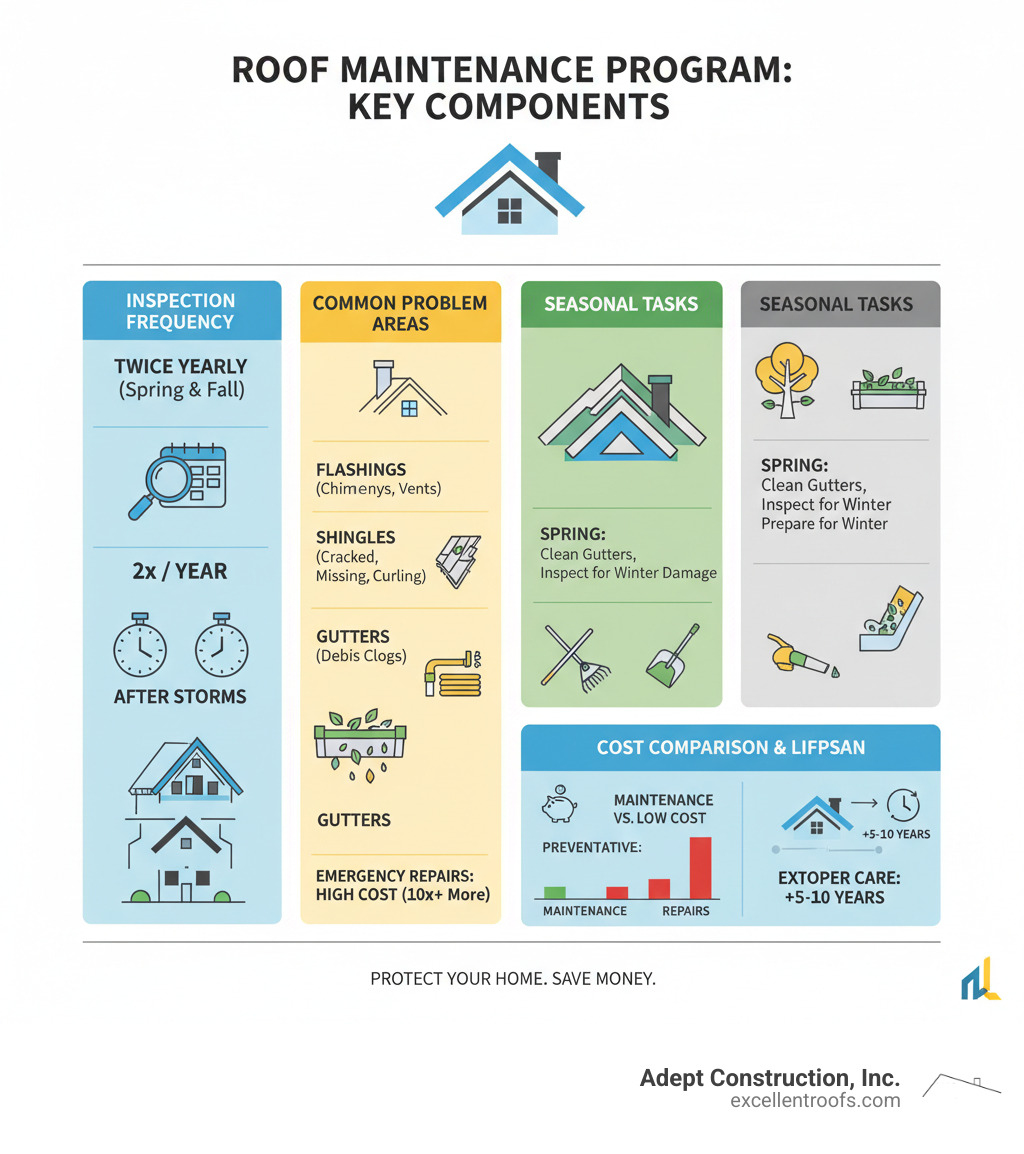
- Biannual inspections (spring and fall) plus post-storm checks
- Cleaning gutters and removing debris from roof surfaces
- Checking for damaged, missing, or curling shingles
- Inspecting flashings around chimneys, vents, and skylights
- Addressing minor repairs promptly before they become major problems
- Ensuring proper attic ventilation to prevent moisture buildup
- Documenting all maintenance to maintain warranty coverage
Many homeowners don’t think about their roof until a leak appears. By then, what could have been a simple repair often becomes a costly emergency. According to industry research, a properly executed maintenance program can add years to your roof’s life and save thousands of dollars in premature replacement costs.
The consequences of neglect are significant. Water damage from undetected leaks can compromise your home’s structural integrity, damage ceilings and walls, promote mold growth, and even create electrical hazards. Regular maintenance catches these issues early—when they’re still minor and affordable to fix.
Most roofing professionals agree that protecting your investment requires three things: proper design, quality materials, and expert installation. But even the best roof needs ongoing care. Industry standards recommend inspecting your roof at least twice a year and after any major weather event. These inspections identify deterioration or defects that could lead to water infiltration and costly damage to your home’s interior.
I’m Gerald Michaels, founder of Adept Construction, Inc., and I’ve been helping homeowners in the Chicago area protect their roofing investments since 1997. Over nearly three decades, my team and I have learned that roofing maintenance is the single most cost-effective strategy for avoiding emergency repairs and maximizing roof lifespan. This guide draws on that experience to give you a clear, actionable plan for keeping your roof in top condition.
Why Roofing Maintenance is Essential for Every Homeowner
Regular roofing maintenance is the single most important factor in preserving the structural integrity and value of your home. It’s not just about keeping shingles in place—it’s about protecting everything underneath your roof from water damage, preventing mold growth, and avoiding structural failures that can compromise your family’s safety.
When you stay on top of maintenance, you’re also reducing your energy costs. A well-maintained roof with proper ventilation and intact seals keeps your home’s temperature stable, so your HVAC system doesn’t have to work overtime. Most importantly, consistent upkeep extends the life of your roof significantly, delaying the need for expensive replacement by years or even decades.
On the flip side, neglecting maintenance creates a domino effect of problems that start small and grow exponentially. What begins as a few missing shingles can quickly escalate into a full-blown crisis affecting your entire home. For a deeper dive into these advantages, see our detailed article on The Benefits of Proper Maintenance for Your Roof.
The High Cost of Neglect
Let me be blunt: ignoring your roof is one of the most expensive mistakes a homeowner can make. What starts as a small leak during a rainstorm can quickly turn into a health and financial nightmare.
Water infiltration doesn’t just damage your roof—it travels. Once water gets past your shingles, it soaks into insulation, drips through ceilings, stains walls, and ruins interior finishes. These repairs can easily run into the tens of thousands of dollars. I’ve seen homeowners face $20,000 to $30,000 in interior restoration costs from a leak that could have been prevented with a simple $200 repair.
But the damage goes deeper than cosmetics. Persistent moisture leads to wood rot and weakened framing, compromising your home’s structural integrity. If water reaches electrical wiring, you’re facing potential fire hazards—a genuine safety emergency.
The health implications are equally serious. A leaky roof creates the perfect breeding ground for mold and mildew. According to the U.S. Environmental Protection Agency (EPA), these organisms thrive in damp, dark spaces like your attic or wall cavities and can trigger respiratory problems, allergies, and other health issues for your family. Poor indoor air quality isn’t something you can ignore, especially if you have children or elderly family members at home.
Damp environments also attract unwanted guests. Insects and rodents seek out moisture, so a leaky roof can lead to pest infestations that create additional damage and health concerns. Over time, all these compounding problems reduce your property’s value and can make it difficult to sell when the time comes.
Here’s the good news: spending a few hundred dollars now on roofing maintenance can save you thousands—or even tens of thousands—later. It’s not an expense; it’s an investment in protecting your home and your family.
Maximizing Your Roof’s Lifespan and Warranty
A well-maintained roof isn’t just about preventing disasters—it’s about getting every possible year out of your investment. Most asphalt shingle roofs are designed to last 20 to 25 years, but with diligent care, many exceed that range significantly. We’ve seen properly maintained roofs reach 30 years or more, while neglected roofs fail at 15 years or less.
The math is simple: if your roof costs $15,000 to replace and you extend its life by even five years through maintenance, you’re saving thousands of dollars while avoiding the disruption of a major construction project.
But here’s something many homeowners don’t realize: regular roofing maintenance is often required to keep your warranty valid. Most manufacturers—including major brands like Owens Corning and Firestone—explicitly state that periodic inspections and maintenance are necessary to keep warranties in full force and effect. If you skip maintenance or attempt improper DIY repairs, you can void your warranty entirely.
That means if your roof fails prematurely due to a manufacturing defect, you’ll be responsible for the full cost of repairs or replacement—potentially tens of thousands of dollars that should have been covered. Warranty compliance requires documented proof of regular maintenance, which is another reason to work with a professional who keeps detailed records of every inspection and repair.
Understanding your roof’s components, how they work together, and what your warranty actually covers is crucial for any homeowner. Learn more in our comprehensive Roofing 101 guide, where we break down everything you need to know about your roofing system.
The bottom line? Roofing maintenance protects your investment in two ways: it extends the physical life of your roof, and it preserves the financial protection your warranty provides. Both are essential for maximizing the value of your home.
The Core Elements of a Proactive Roofing Maintenance Program
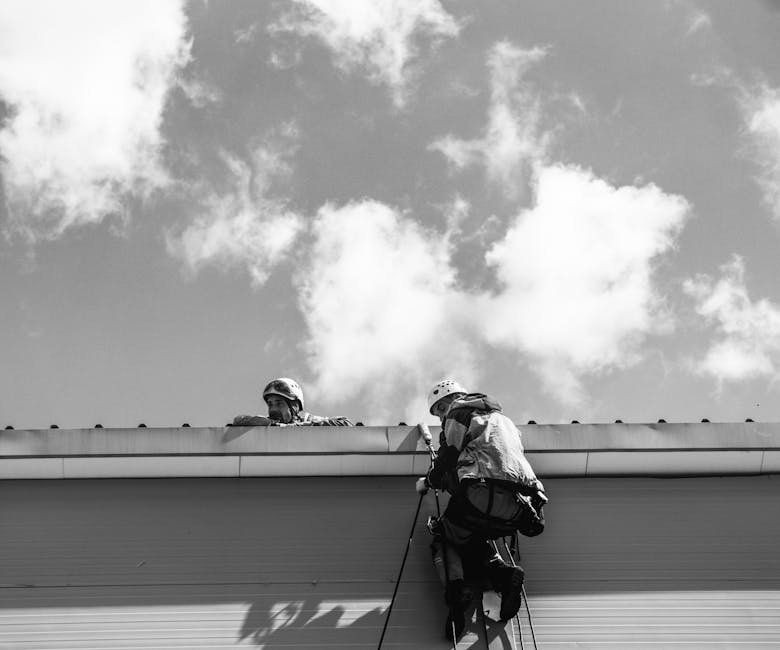
Think of roofing maintenance as preventive medicine for your home. Just as you wouldn’t skip your annual physical, your roof needs regular check-ups to catch small problems before they become big ones. A solid maintenance program combines scheduled inspections, prompt repairs, debris removal, and seasonal attention—all working together to keep your roof healthy and your home protected.
The good news? You don’t need to be a roofing expert to maintain your roof effectively. What you do need is a plan and the discipline to stick with it. For homeowners in our area who want comprehensive protection, our residential roofing services provide professional support at every stage.
How Often to Inspect Your Roof
Here’s the simple truth: most roof problems start small and grow over time. The key to catching them early is consistent inspection.
Industry best practices recommend inspecting your roof twice a year—once in spring and once in fall. The spring inspection reveals any damage winter left behind, from ice dam destruction to wind-blown shingles. The fall inspection prepares your roof for the harsh months ahead and clears away debris that could cause problems under snow and ice.
But seasonal inspections aren’t enough on their own. After any major storm—especially those with high winds, hail, or heavy snow—you should do a visual check. Even if everything looks fine from the ground, storm damage can hide in plain sight. A missing shingle here, a lifted flashing there—these small issues let water in, and water damage doesn’t wait for your next scheduled inspection.
Regular inspections are your early warning system. They turn expensive emergencies into affordable repairs. For detailed guidance on inspection timing and what professionals look for, see our article on How Often Do You Need a Roof Inspection?.
Your Seasonal Roofing Maintenance Checklist
Each season brings different challenges to your roof. Here’s what to focus on throughout the year:
Spring is recovery time. Winter can be brutal on roofs, so inspect carefully for loose, cracked, or missing shingles, particularly along edges and near flashing. Check that your gutters aren’t clogged with winter debris and look for any signs of ice dam damage. This is also when you’ll spot moss or algae that started growing during wet winter months.
Summer means heat management. While shingles bake in the sun, your attic can turn into an oven. Make sure your attic ventilation is working properly—poor ventilation literally cooks your roof from the inside. Trim back any tree branches that have grown too close to your roof surface. They’ll scratch shingles and drop debris all season long.
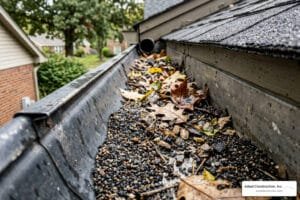
Fall is preparation season. This is your most important maintenance window. Clear all leaves, twigs, and organic debris from your roof and gutters. Trapped moisture under fall leaves accelerates shingle deterioration faster than almost anything else. Inspect for storm damage from summer thunderstorms and make repairs now, before winter weather makes problems worse. Our guide on How to Prepare Your Roof for Winter Weather walks you through this critical process.
Winter requires monitoring rather than active maintenance. Watch for ice dams forming along your eaves—these force water backward under your shingles. If snow accumulation gets excessive, safe removal may be necessary, but never use sharp tools that could damage your roof surface.
Common Signs of Roof Deterioration
Spotting trouble early is the cornerstone of effective roofing maintenance. Some warning signs are obvious; others hide in plain sight. Here’s what to watch for.
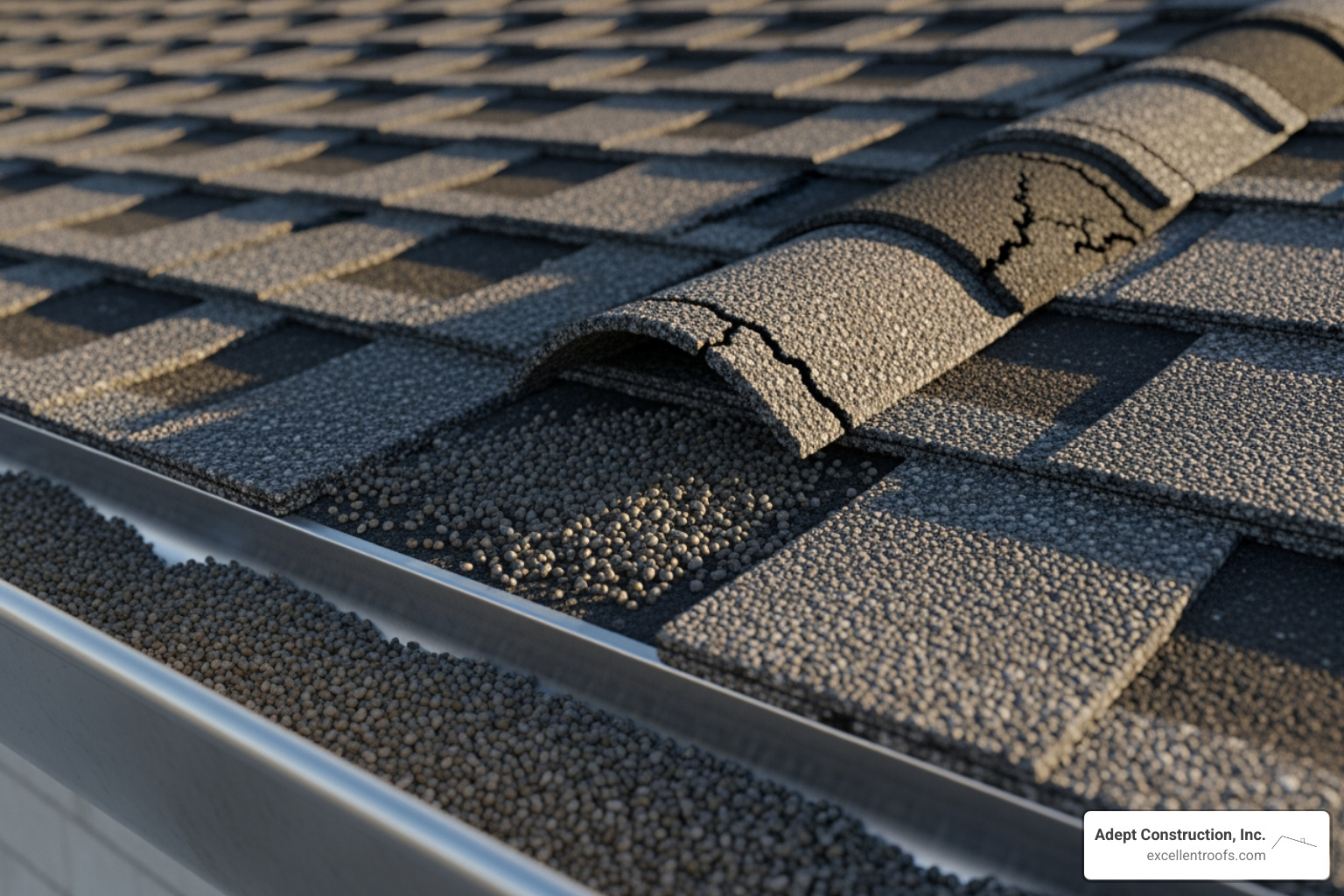
From the outside, curling, cracked, or missing shingles are your roof waving a red flag. These compromised shingles create pathways for water to reach your home’s interior. Look for granule loss too—those bald spots on asphalt shingles mean the protective coating is wearing away, leaving the underlying material exposed to sun damage. You’ll often see these granules collecting in your gutters, looking like coarse black sand.
Moss or algae growth might seem purely cosmetic, but it’s not. While algae is mostly a visual issue, moss traps moisture against your roof surface, accelerating rot—especially problematic for cedar shake roofs. Check your flashing around chimneys, vents, skylights, and roof valleys. Any gaps, rust, or deteriorated sealant around flashing creates leak pathways. On flat or low-slope roofs, ponding water that sits for more than 48 hours slowly degrades your roof membrane. Any visible sagging in your roofline demands immediate professional attention—it signals structural problems or significant water damage.
Inside your home, the signs are equally telling. Ceiling stains—those telltale yellow or brown spots—announce that water has already breached your roof. Peeling paint on walls or ceilings often means moisture is present. A musty odor, especially in your attic, indicates hidden moisture or mold growth. And if you can see daylight through your roof boards when you’re in the attic, water is definitely getting in.
Don’t ignore these warning signs. What starts as a small issue becomes a major problem faster than most homeowners expect. Early detection saves money, stress, and your home’s structural integrity. For more detailed information on identifying roof leaks, read our guide on 6 Signs You May Have a Leak in Your Roof.
Tailoring Maintenance to Your Specific Roof System
Think of your roof like a car—a Honda needs different care than a Tesla. The same is true for roofing systems. While proper design, quality materials, and expert installation are critical for any roof, each material has its own personality and maintenance needs. Understanding what your specific roof requires is essential to a successful roofing maintenance program. For a comprehensive look at the different types of roofs we work with, visit our main page on residential roofing systems.
Asphalt Shingle Roofs
Asphalt shingles are the workhorses of residential roofing in Downers Grove and Naperville, IL. They’re affordable, versatile, and relatively low-maintenance—but they’re not maintenance-free. The key to keeping asphalt shingles in top shape is watching for specific warning signs.
Start by checking your gutters regularly. If you’re seeing a lot of granules—those small, sand-like particles—accumulating in your gutters and downspouts, that’s your roof telling you its protective layer is wearing thin. These granules shield your shingles from UV rays and weather, so losing them means your roof is becoming vulnerable.
Pay attention to the shape of your shingles, too. Shingles that curl at the edges or develop blisters on the surface are showing signs of aging or heat damage. These compromised shingles can lift and create pathways for water to sneak underneath. Similarly, missing or damaged shingles from wind or hail need immediate replacement to prevent leaks.
While some algae streaking is mostly cosmetic, heavy moss growth is a different story. Moss traps moisture against your shingles and can actually lift them, accelerating deterioration. Keep your roof clear of debris that encourages this growth, and consider gentle cleaning when needed.
Don’t forget what you can’t see from the ground. Proper attic ventilation is crucial for preventing heat and moisture buildup that can cook your shingles from the underside. This is one reason why professional inspections are so valuable—we check both the visible surface and the hidden ventilation system. For more in-depth information on caring for this popular roofing type, learn more about shingle roofing.
Cedar Shake Roofs
Cedar shake roofs bring natural beauty and rustic charm to any home, but they’re a bit more high-maintenance than their asphalt cousins. As an organic material, cedar needs special attention to stay healthy and functional.
The biggest enemy of cedar shakes is moisture. Inspect individual shakes regularly for signs of rot, which often appears as dark discoloration or soft, crumbly wood. Splitting and warping are also common as cedar ages, especially when it can’t dry out properly between rain events.
Moss and algae love cedar shakes, particularly in shaded or consistently damp areas. Unlike on asphalt shingles where it’s mostly cosmetic, moss on cedar is a serious problem. It traps moisture against the wood and can dramatically shorten your roof’s lifespan. Regular, gentle cleaning is essential—but avoid high-pressure washing, which can splinter and damage the wood fibers.
Good airflow is absolutely critical for cedar. These shakes need to breathe and dry out after getting wet. Ensure your attic has adequate ventilation, and trim back any tree branches that hang over your roof. Those shady spots might look picturesque, but they’re creating a damp environment where problems thrive.
Many homeowners also benefit from applying wood preservatives or fire-retardant treatments to their cedar roofs. These protective treatments can significantly extend the life and improve the safety of your investment. Learn more about cedar shake roofing and its unique maintenance needs.
Flat and Low-Slope Roofs
Flat and low-slope roofs—common on commercial buildings and some modern residential designs in Naperville and Downers Grove—play by different rules than their steep-sloped relatives. The maintenance priorities shift significantly when you’re dealing with a nearly horizontal surface.
The number one concern for flat roofs is ponding water. While some standing water immediately after a rainstorm is normal, water that sticks around for more than 48 hours is a problem. It accelerates membrane degradation and signals drainage issues that need addressing. Make sure your drains, scuppers, and gutters are clear and flowing freely.
Flat roofs depend heavily on the integrity of their seams and flashing. Unlike sloped roofs where gravity helps water run off, flat roofs rely on watertight seals around every penetration—HVAC units, pipes, vents, and parapet walls. These connection points are where leaks typically start, so inspect them carefully for cracks, lifting, or deterioration in the sealant.
The membrane itself needs regular attention, too. Foot traffic from HVAC maintenance, falling branches, or even hail can puncture the roofing membrane. Walk your flat roof periodically (if it’s safe to do so) and look for any visible tears, holes, or suspicious damage. Also watch for blisters—those bubble-like protrusions—which indicate trapped moisture or movement in the substrate below.
Debris removal is even more critical on flat roofs than sloped ones. Leaves, branches, and other organic matter can’t slide off on their own. Instead, they accumulate, block drains, and hold moisture against the roof surface. Regular cleaning prevents these issues and is one of the simplest yet most effective maintenance tasks you can perform. Learn more about flat roofing and how we maintain these specialized systems.
The Professional’s Role: When to Call for Expert Help
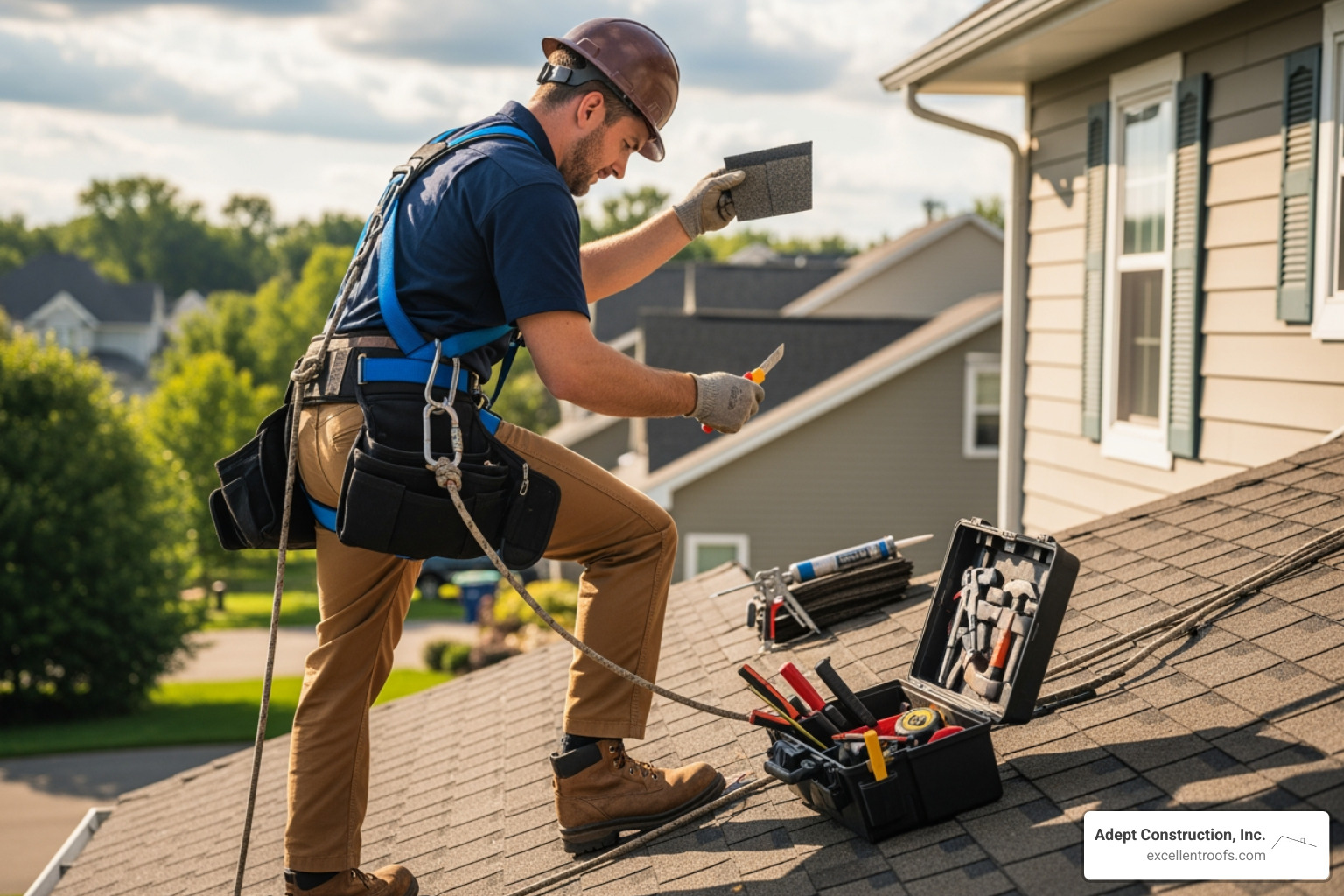
Some homeowners enjoy tackling basic roofing maintenance tasks themselves—clearing gutters, trimming nearby branches, or doing visual inspections from the ground. These DIY efforts are valuable and can catch obvious problems early. But there’s a clear line between what’s safe for homeowners and what requires professional expertise.
Walking on a roof is inherently dangerous, especially on steeper pitches or when conditions are wet or icy. Beyond the safety concerns, many roofing issues aren’t visible to the untrained eye. A professional knows where problems typically hide and how to spot the subtle warning signs that precede major failures. Attempting complex repairs without proper training can actually make things worse—improperly installed flashing or incorrectly sealed shingles often create more leaks than they fix.
For a clearer picture of what professional assistance entails, read our guide on What to Expect During a Roof Inspection.
The Value of Professional Roofing Maintenance
Professional roofing maintenance goes far beyond what most homeowners can accomplish on their own. When you hire a certified roofing contractor, you’re getting trained eyes that can spot deterioration you’d likely miss—small cracks in flashing, early signs of membrane failure on flat roofs, or subtle moisture damage beneath the surface.
We use specialized equipment that homeowners simply don’t have access to. Non-destructive moisture detection tools can identify trapped water within your roofing system before it causes visible damage. Infrared cameras reveal heat loss and insulation problems. These technologies catch problems early, when they’re still simple and affordable to fix.
A thorough professional inspection covers every component of your roof. We examine shingles or roofing membranes for wear, flashing around chimneys and vents for gaps or corrosion, gutters and downspouts for proper drainage, and attic ventilation to ensure your roof can breathe properly. We check for loose fasteners, deteriorating sealants, and any signs of structural stress.
The documentation we provide is equally important. You’ll receive a detailed report with photographs showing exactly what we found. This transparency helps you understand your roof’s condition and make informed decisions. More importantly, these records are crucial for maintaining your warranty validity—most manufacturers require documented proof of regular maintenance.
In Downers Grove, our team at Adept Construction, Inc. provides expert roof repair services in Downers Grove to address any issues identified during inspections. For homeowners in Naperville, we offer comprehensive roof repair services in Naperville, IL to keep your roof performing at its best. Regular professional maintenance catches small problems before they become expensive emergencies.
Repair or Replace? Making the Right Decision
Every homeowner eventually faces this question: should I repair my roof or replace it entirely? It’s one of the most significant decisions you’ll make about your home, and the answer isn’t always obvious. Making the right choice can save you thousands of dollars and years of headaches.
Age is the first factor to consider. If your asphalt shingle roof is under 10 years old and has localized damage from a storm, repair almost always makes sense. But if you’re approaching the 20-25 year mark and seeing multiple problems, replacement is usually the smarter long-term investment.
The extent of damage matters significantly. A few missing shingles after a windstorm? That’s a straightforward repair. But if you’re seeing widespread granule loss, curling across multiple sections, or leaks in different areas of your home, your roof is telling you it’s reached the end of its useful life. Patching one leak when three more are developing is like putting a bandage on a broken bone.
Consider your repair history. If you’ve had your roof repaired multiple times in recent years, those costs add up. When repair expenses approach 50-60% of what a full replacement would cost, it’s time to stop throwing good money after bad.
Your long-term plans matter too. Planning to stay in your home for the next 10-15 years? A new roof offers peace of mind and eliminates the worry of unexpected leaks and repairs. It’s also a significant selling point if you do decide to move—home buyers love knowing they won’t need to replace the roof.
We understand this decision isn’t easy, and we never pressure homeowners toward the more expensive option. Our job is to give you honest, expert advice based on what we see. For a detailed guide on making this choice, refer to our article, Do You Need Roof Repair or Replacement?.
When it’s time for a complete roof overhaul, our team provides expert roof replacement services in Downers Grove, IL. For our Naperville clients, we offer equally reliable roof replacement services in Naperville, IL. We’re here to help you make the choice that’s right for your home and your budget—contact us today for a free estimate and honest assessment.
Conclusion
Your roof is your home’s first line of defense against the elements, and roofing maintenance is the single most powerful tool you have to protect that investment. We’ve covered a lot of ground in this guide—from understanding the devastating costs of neglect to recognizing the warning signs of deterioration, from seasonal checklists to the specialized needs of different roofing materials. The common thread? Consistent, proactive care keeps small issues from becoming big problems.
Think of roofing maintenance as preventive medicine for your home. Just as regular check-ups with your doctor can catch health issues before they become serious, regular roof inspections and timely repairs prevent water damage, structural deterioration, and the heartache of emergency repairs at the worst possible time. The numbers don’t lie: homeowners who invest a few hundred dollars in annual maintenance routinely save thousands in premature replacement costs and water damage repairs.
At Adept Construction, Inc., we’ve spent nearly three decades helping families in Downers Grove and Naperville keep their roofs in excellent condition. We understand that your home is your most valuable asset, and we treat every roof as if it were our own. Our comprehensive residential roofing services include thorough inspections, detailed maintenance programs, and honest recommendations about what your roof needs—and just as importantly, what it doesn’t.
Whether your roof needs a minor repair, a comprehensive maintenance plan, or it’s time to consider replacement, we’re here to help. We offer free estimates with no obligation, so you can make informed decisions about your home’s protection. Don’t wait for a leak to disrupt your life or damage your home’s interior. Take action now to safeguard your investment and give yourself peace of mind. Contact us today for a free estimate and let’s keep your roof performing at its best for years to come.